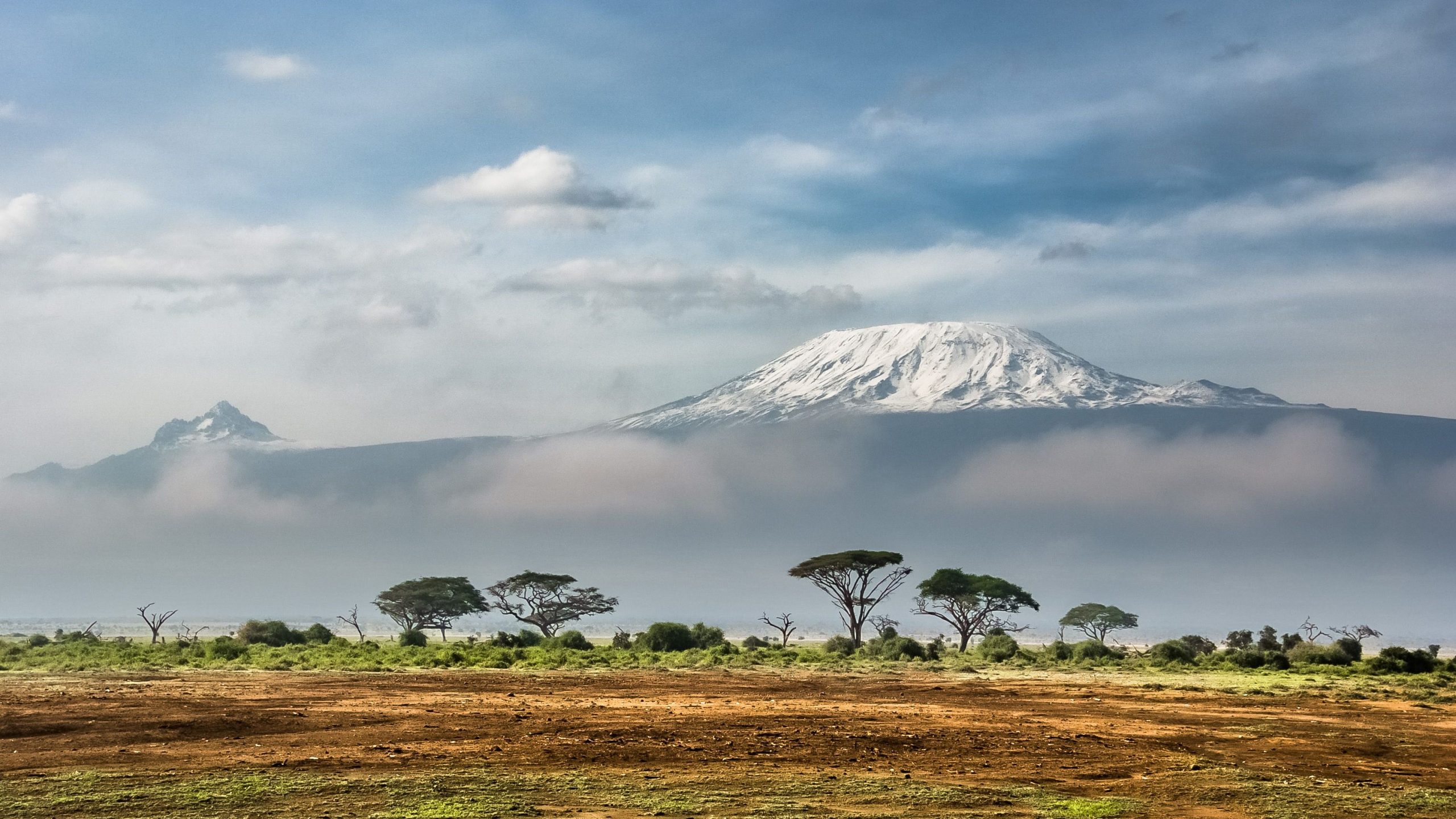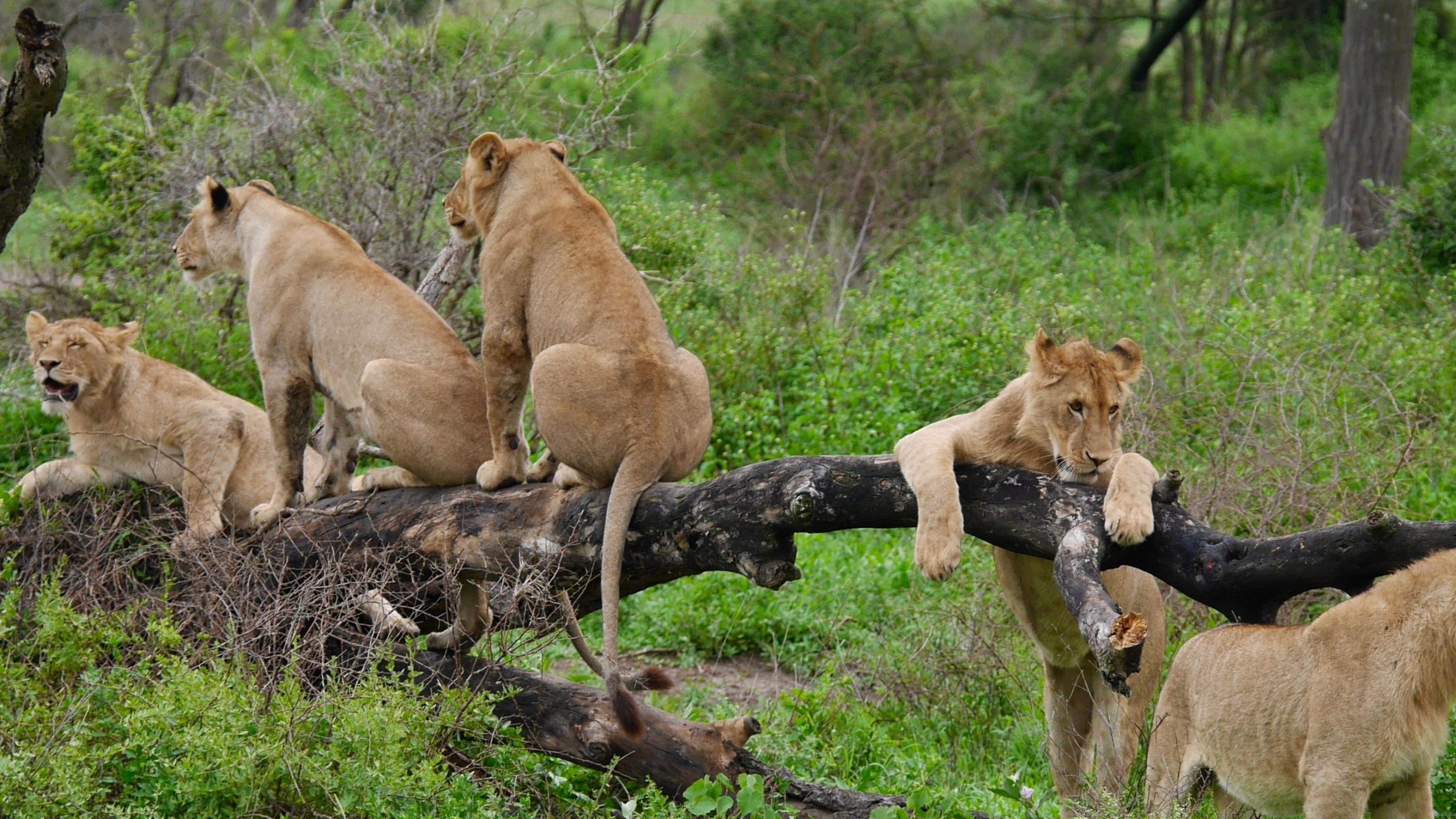
Tarangire National Park sits on Tanzania’s northern safari circuit in the Manyara Region, about two to two and a half hours by road from Arusha . It is famous for its elephants, ancient baobab trees, and the permanent Tarangire River . Unlike some parks where wildlife viewing is consistent year-round, Tarangire’s animals move with the water. Knowing what happens month by month matters here more than in most parks, because the seasons shape every aspect of your safari experience .
The park has two distinct seasons: the dry season from June to October, when wildlife concentrates along the river, and the wet season from November to May, when the landscape turns green and animals disperse across the plains . Neither is wrong they are just different trips. This guide lays out what each part of the year actually delivers.
The dry-season Tarangire safari is what the park is best known for . As seasonal pools dry out across the Maasai Steppe, the permanent Tarangire River becomes the only reliable water for miles, and wildlife funnels toward it . During this period, the park hosts some of the highest concentrations of wildlife in Tanzania, earning its reputation as a premier safari destination.
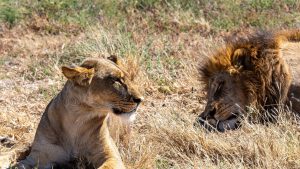
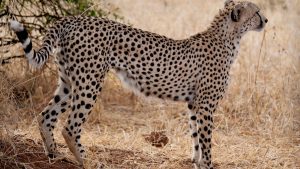
Elephants gather in herds that can run into the hundreds, and the riverbanks stay busy through the middle of the day . It is sometimes possible to see over 500 elephants in a single day as they congregate along the riverbanks . Massive herds of wildebeest, zebra, and buffalo join them. With prey animals concentrated near the water source, predators like lions, leopards, and cheetahs are also more frequently spotted . Lions are common in this stretch, though never guaranteed, and this is also the best window for the leopards that rest in the acacias and sausage trees near the water .
The weather during the dry season is comfortable, with warm, sunny days and cooler mornings and evenings . Humidity is low, and the clear skies produce incredible night skies, showcasing the Milky Way in all its glory . Photography conditions are excellent, with the air relatively thin and still, making sunrises and sunsets particularly good .
However, there are trade-offs. This is peak tourist season, and while Tarangire is far less crowded than parks like the Serengeti, you will encounter more visitors . Accommodation prices are at their highest, so booking well in advance six to twelve months is essential . The park is dusty, and the dry vegetation, while good for visibility, lacks the lush appeal of the green season .
For photographers, birdwatchers, or travellers seeking solitude and lower prices, the wet season offers a completely different but equally captivating perspective . The “Green Season” transforms Tarangire into a lush, emerald paradise. The rains, which are often short afternoon showers, breathe life into the landscape, making it incredibly photogenic .
This is the ultimate time for birding. The park is home to over 550 species, and during the wet season, it is filled with both resident and migratory birds in their brilliant breeding colours . Keep an eye out for the dazzling yellow-collared lovebirds . The lush season is also a time for births, offering the chance to see adorable newborn animals . With fewer tourists, you can often enjoy a more private, intimate safari experience. Prices for accommodation and tours are also significantly lower .
The short rains of November and December tend to fall in afternoon showers rather than all-day downpours, so game drives usually carry on with only minor interruption . January and February often bring a drier spell between the two rainy periods, with warm days, thinning mud, and good general game viewing . However, the long rains from March to May are heavier, and some tracks can become muddy and impassable . Many camps close in April and May . Wildlife viewing is more challenging during this period as animals have spread out over a larger area, making game a little more difficult to spot .
The best time to see elephants in Tarangire is the dry season from June to October, when the shrinking Tarangire River pulls in some of the largest elephant herds in Tanzania . September and October offer the most concentrated sightings, with groups sometimes numbering in the dozens . If watching big elephant herds is the main reason for your trip, aim for the window from August to October .
Lions, leopards, and cheetahs are present year-round in Tarangire, but visibility is highest during the dry months when prey concentrates near water . The June to September period delivers peak predator sightings, while January and February remain excellent for relaxed game drives .
Birdwatching in Tarangire is at its best from November to April, when migratory species arrive and breeding activity peaks . The park supports more than 500 bird species, with wetlands, riverine areas, and woodlands attracting everything from colorful bee-eaters to large birds of prey . The long rains from March to May offer the most dramatic birding, but roads can be challenging .
For classic Tarangire photography ; elephants beneath baobab trees, dust trails, and wide open skies the long dry season from June to September is ideal . From October to April, the park turns greener, with dramatic cloud formations and softer light that create atmospheric and highly textured images .
Pack light clothing for the day, but don’t forget a warm jacket or fleece for chilly early morning game drives . Neutral-coloured clothing is recommended as bright colours can disturb wildlife. Comfortable, breathable clothing is essential for daytime drives, but warm layers are important as temperatures can drop significantly after nightfall . A wide-brimmed hat, sunglasses, and high-factor sunscreen are essential . Binoculars, one pair per person if possible, and a camera with a zoom lens will enhance your safari experience . A refillable water bottle and lip balm for the dry air are also recommended .
A waterproof jacket, pants, and sturdy footwear are essential . Quick-dry clothing is helpful, and insect repellent should be kept close to hand as insect numbers increase at this time of year . Lightweight waterproofs and sturdy shoes will make the experience more comfortable .
Tarangire’s climate is similar to the rest of northern Tanzania but feels more arid . Daytime temperatures typically range from 65 to 90°F (18 to 32°C) . Park fees at Tarangire are paid by card or mobile money, not cash, so confirm with your tour company how this is handled before you reach the gate .
For peak dry-season travel from June to September, booking six to twelve months in advance is recommended . For a first safari focused on classic big-mammal viewing, the dry season is the safer bet . If birds and quiet tracks appeal more, the wetter months reward you .
Ultimately, there is no single “best” time to visit Tarangire it is about matching the season to your interests . For the iconic spectacle of elephant herds and predator action, plan your trip for the dry months of June to October . For lush landscapes, incredible birdlife, and a peaceful, budget-friendly escape, the wet season from November to May is an excellent choice . Understanding these seasonal differences ensures you choose the perfect time for your Tarangire adventure.
At Exclusive Gorilla Vacations, we specialise in crafting custom East African itineraries that include the best of Tanzania’s northern circuit. We can help you choose the ideal season for your Tarangire safari and handle all permits, transport, accommodation, and logistics.
Ready to plan your Tarangire safari? Contact our team today to start planning your custom adventure.