A gorilla trekking day in Bwindi Impenetrable National Park is a carefully orchestrated experience that transforms months of anticipation into a life-changing encounter with mountain gorillas. The day unfolds like a well-rehearsed performance, with every step designed to ensure both your safety and the protection of these critically endangered creatures.
The Early Morning Start
The gorilla tracking day begins long before sunrise, typically with a wake-up call between 5:00 AM and 6:00 AM, depending on the location of your lodge. An early breakfast provides the energy needed for what lies ahead. Lodges located close to the park headquarters might be a short five to fifteen-minute walk, while others require a thirty-minute to one-hour drive. Regardless of distance, arrival at the Uganda Wildlife Authority park headquarters by 7:00 AM is essential.
Upon arrival, visitors are greeted by the sights and sounds of the local community. Members of the community troupe often perform cultural dances and songs near the headquarters, offering travellers a glimpse into the vibrant traditions of the people living around the park. This colourful welcome lasts about thirty minutes, setting an uplifting tone for the day ahead.
The Mandatory Briefing
At precisely 7:30 AM, the pre-trekking registration and safety briefing commences. This session is not merely administrative but it is the foundation of a safe and responsible trek. Conducted by experienced Uganda Wildlife Authority rangers, the briefing covers essential topics that every trekker must understand.
The briefing begins with an introduction to gorilla conservation and tourism ethics. Rangers explain the critical role of regulated ecotourism in protecting endangered mountain gorillas, the history of gorilla trekking in Uganda, and how permit fees support anti-poaching efforts and community benefit programmes. This grounding transforms you from a tourist into a partner in conservation.
The heart of the briefing focuses on strict rules designed to protect both visitors and gorillas. Only eight people are permitted per gorilla family per day. Trekkers must maintain a minimum distance of seven metres from the gorillas at all times. Flash photography is strictly prohibited, as are eating, drinking, or touching the gorillas. Speaking in low tones, avoiding sudden movements, and coughing or sneezing away from the gorillas are all mandatory. If you are feeling unwell, you must report it you may be barred from trekking for the gorillas’ safety, as they are highly susceptible to human respiratory infections.
During the briefing, trekkers are divided into groups of eight and assigned to specific gorilla families. Rangers take into account your fitness level, age, lodge location, and the previous day’s gorilla location to match you with a family that suits your abilities. Some gorilla families require just thirty minutes to reach, while others involve three to five hours of hiking. Once your group is assigned, you are introduced to your armed ranger-guide, who will lead your trek and coordinate with advance trackers to locate the gorillas.
This is also the time when you can hire a porter, which are highly recommended to support you during the trek.
The Trek Through the Forest
By approximately 8:00 AM, the gorilla trekking adventure officially begins. Depending on the location of your assigned gorilla family, the group either drives or walks to the trailhead the starting point of the search.
The trek itself is a journey through some of Africa’s most ancient and challenging terrain. Bwindi Impenetrable National Park sits at altitudes between 1,160 and 2,607 metres above sea level, and the forest is dense, steep, and often muddy. The duration varies wildly, from as little as thirty minutes to as long as eight hours, depending entirely on where the gorilla family has moved. Experienced rangers and trackers guide you through the rugged landscape, sharing insights into the behaviour, habitat, and roles of the various wildlife species encountered along the way birds, primates, butterflies, and more. This expertise transforms the trek into an educational experience that adds depth to your safari.
The rangers are not walking blindly. A team of trackers has been in the forest since before dawn, reading natural signs of gorilla location broken tree branches, gorilla faeces, and nests from the previous night. They use satellite phones to communicate with the rangers, providing real-time updates on the gorillas’ location.
First Contact: The Encounter
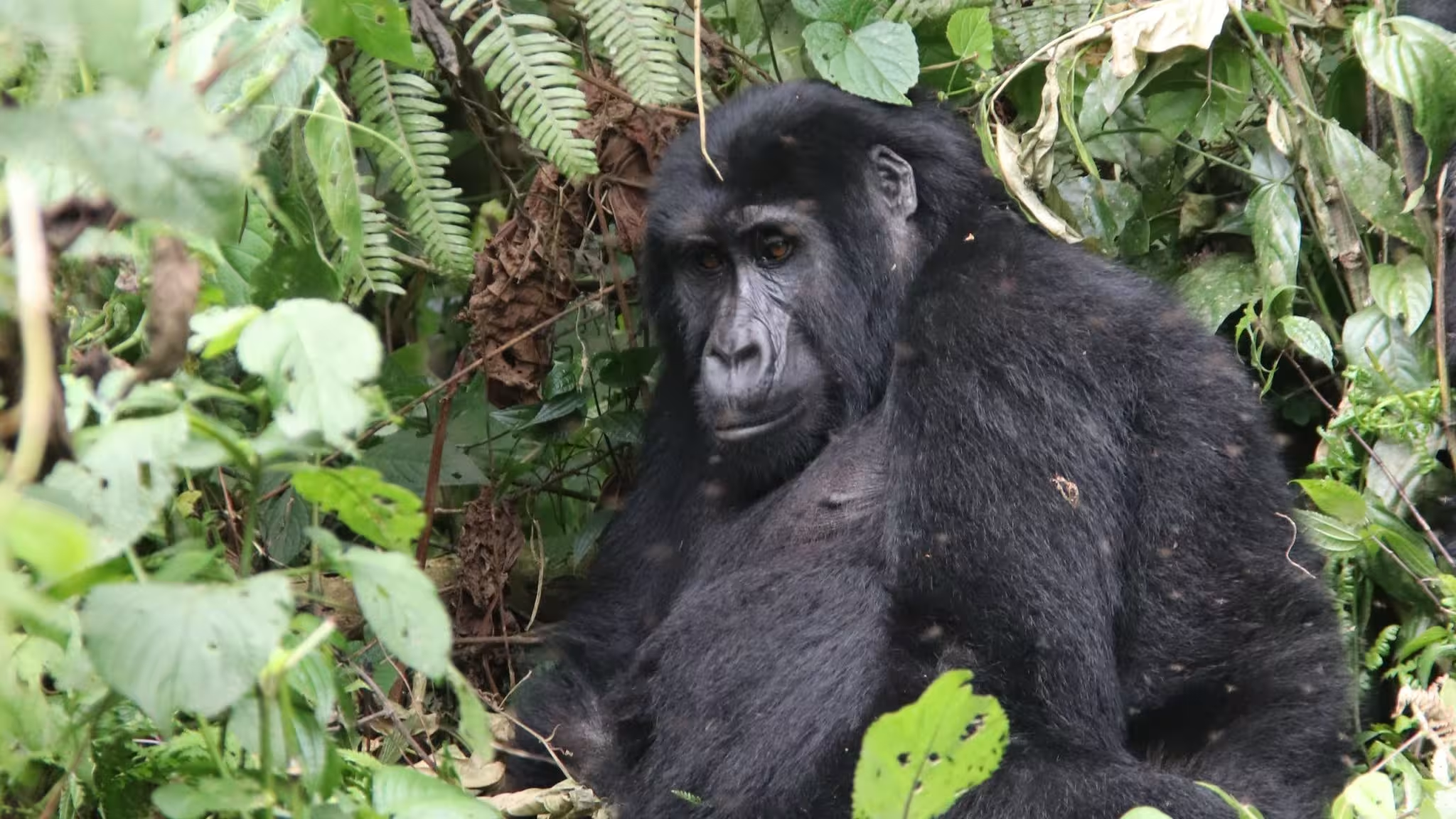
When the rangers signal that the gorillas are close, everything changes. The guide calls for silence, and the group moves in single file. Suddenly, without fanfare, the gorillas are simply there.
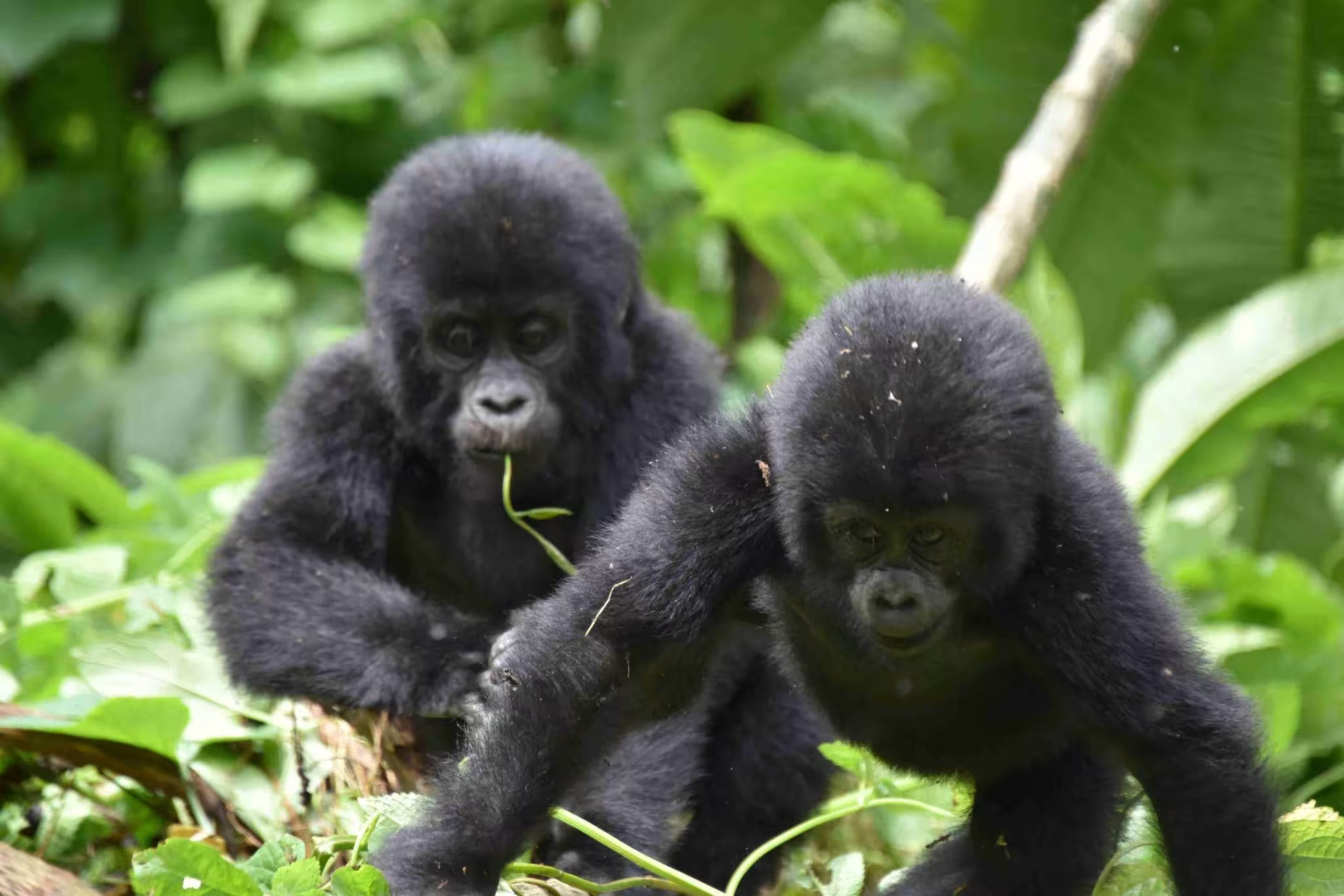
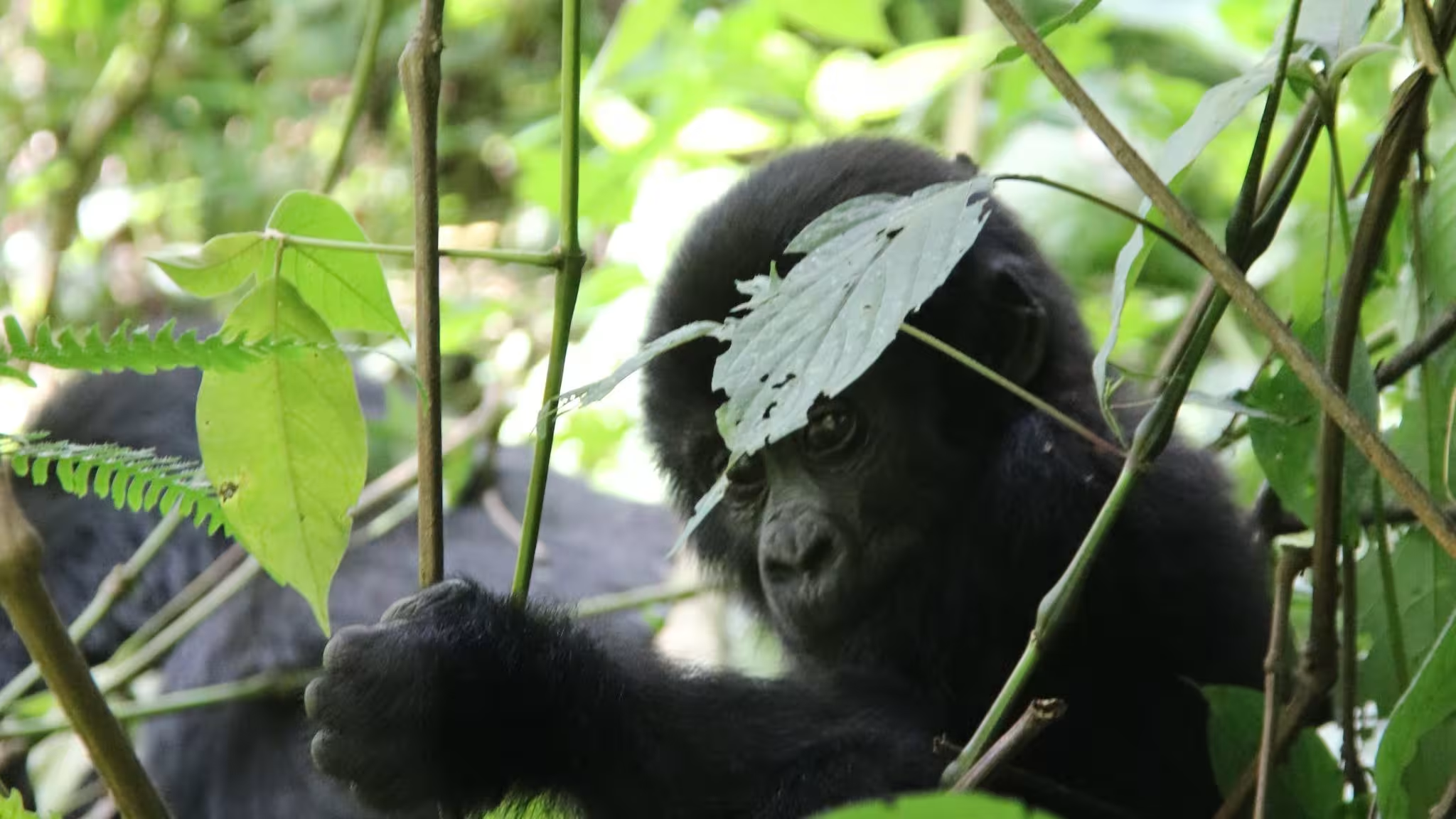
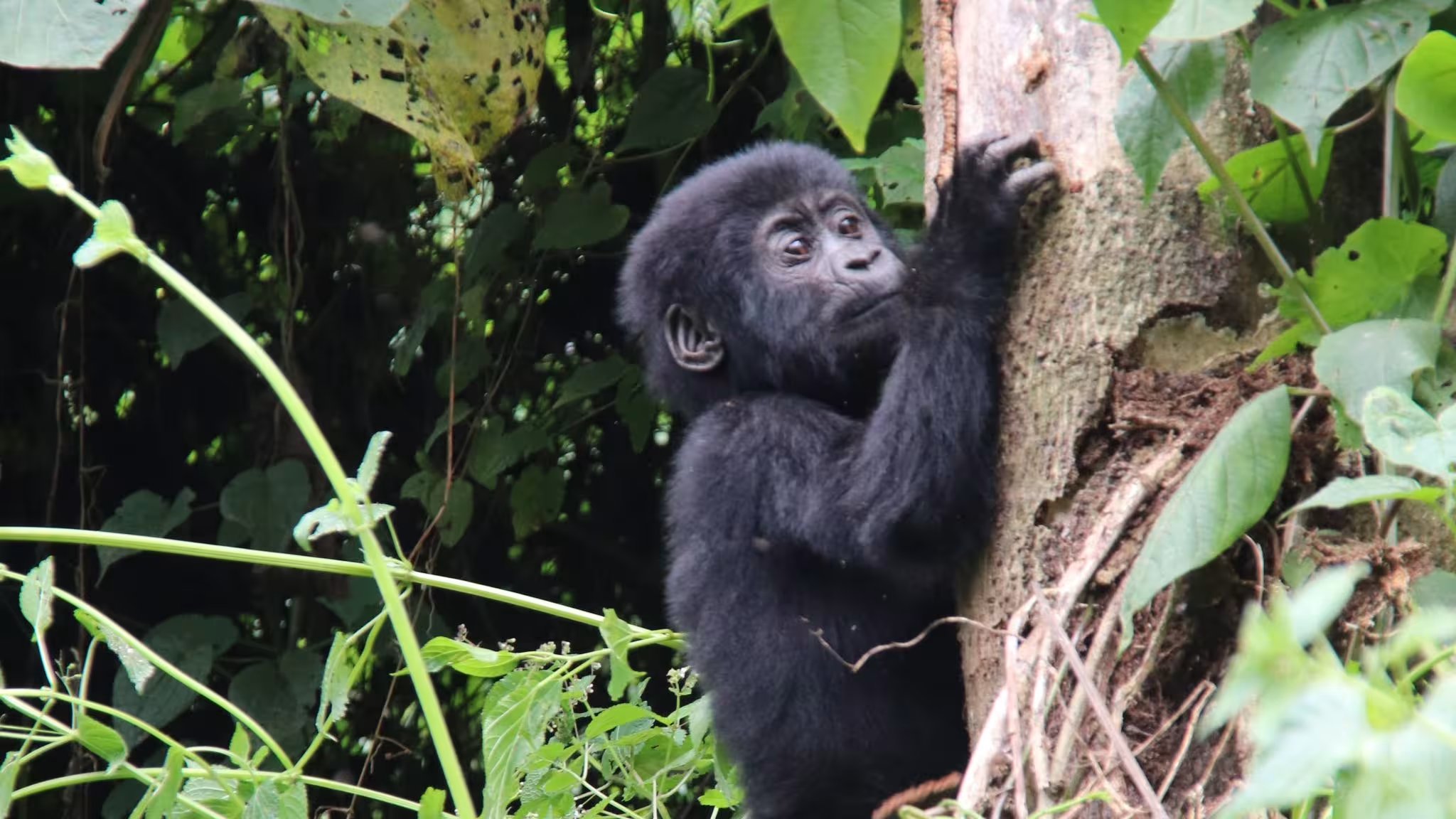
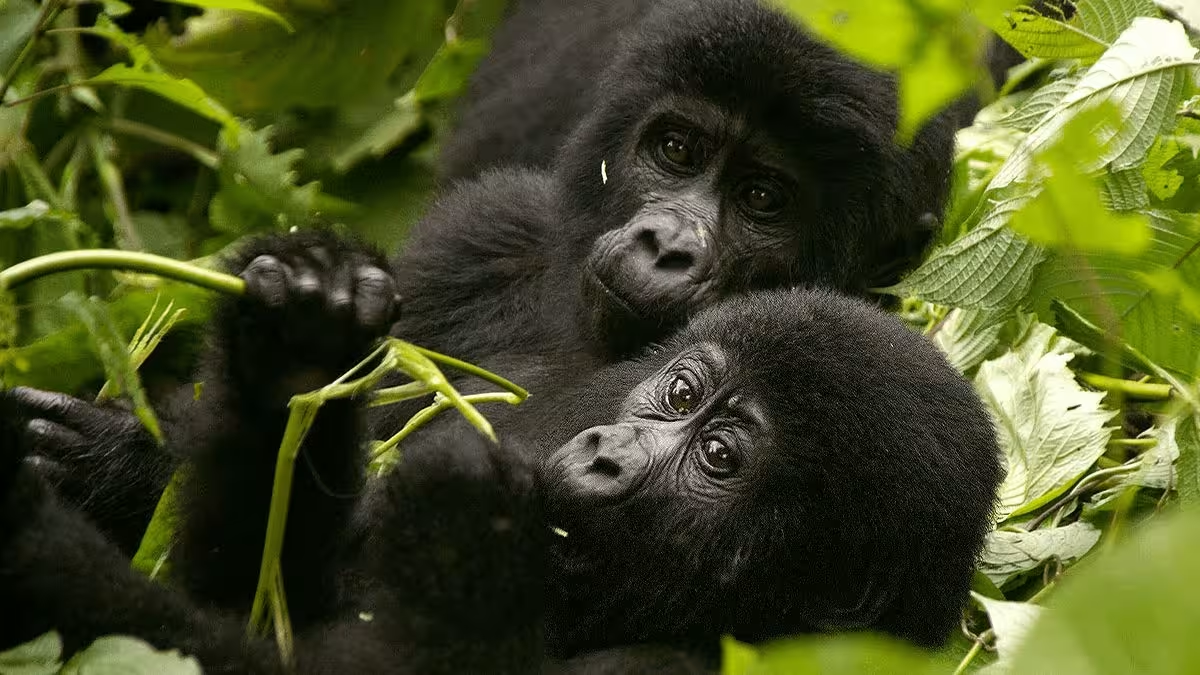
The first thing most people notice is not the sheer size, though a mature silverback can weigh over 180 kilograms, but the ordinariness of what the gorillas are doing. A mother nurses her infant. Juveniles wrestle in a shaft of light. An adult female strips a branch of leaves with calm efficiency. The silverback sits slightly apart, resting with the quiet authority of an animal that has nothing to prove. Your guide signals, and the hour-long observation begins.
This is the moment that makes every step of the journey worthwhile. The one hour is strictly monitored by Uganda Wildlife Authority protocols, with a maximum of eight people per gorilla family per day ensuring a non-intrusive experience. During this precious time, you observe natural social behaviours feeding, grooming, playing, and caring for young. You learn about the intensive anti-poaching and veterinary efforts that have made gorilla conservation one of the world’s most successful wildlife protection stories. Flash photography is prohibited, but natural forest light produces extraordinary images.
A mask must be worn when close to the gorillas to prevent the transmission of respiratory diseases. While the gorillas may occasionally approach closer, you must remain still and let your ranger manage the situation.
The Return Journey
When the guide signals the end of the hour, the group turns and begins the trek back. This walk has a particular quality a quiet that is different from silence. Trekkers often find themselves reflecting on what they have witnessed. The return journey typically takes less time than the outward trek, as the group is no longer searching.
Back at the park headquarters, a hearty meal awaits, and visitors often receive an official gorilla trekking certificate as a memento of their achievement. The entire adventure usually concludes between 10:00 AM and 3:00 PM, depending on the gorilla family’s location.
Practical Considerations
The entire experience is built on careful planning. Gorilla permits cost USD 800 for foreign non-residents in 2026 and sell out months in advance, particularly during the dry seasons of June to September and December to February. Booking three to six months ahead is strongly recommended. Proper clothing: long trousers, sturdy boots, rain gear, and layers makes the trek far more comfortable, and hiring a porter for approximately USD 20 is one of the wisest investments you can make.
A gorilla tracking day is a physically demanding but emotionally profound experience. From the early morning wake-up to the mandatory briefing, the challenging trek through ancient rainforest, and the unforgettable hour with mountain gorillas, every element is designed to ensure a safe, respectful, and deeply rewarding encounter. At Exclusive Gorilla Vacations, we handle every detail from permit bookings to porter arrangements—so you can focus entirely on the adventure of a lifetime.
Ready to experience gorilla tracking for yourself? Contact our team today to start planning your custom safari. Let us handle the logistics while you prepare for the moment that will change you forever.