For years, travelers planning a Uganda safari had one non-negotiable item on their to-do list: get the yellow fever vaccination and carry the yellow fever card. It was checked at Entebbe International Airport, demanded at land borders, and treated as essential as the passport itself. That requirement has now been officially dropped.
On 2 October 2026, Uganda’s Directorate of Citizenship and Immigration Control (DCIC) under the Ministry of Internal Affairs issued a formal clarification confirming that a yellow fever vaccination certificate is no longer a mandatory requirement for entry into Uganda. The change was communicated in a letter dated 27 August 2026, addressed to the Chief Executive Officer of the Uganda Tourism Board, following a request from the tourism body seeking guidance on the matter.
What Exactly Changed?
The immigration authorities stated plainly: ‘’Travellers to Uganda do not require a Yellow Fever vaccination certificate for entry’’. The requirement has been removed from Uganda’s e-visa application portal and is no longer listed on the National Citizenship and Immigration Control website.
This means travelers arriving at Entebbe International Airport or any of Uganda’s land borders including Busia, Malaba, Katuna, Cyanika, and Mutukula will no longer be asked to produce the yellow fever vaccination certificate Uganda as a condition of entry. The change applies to all travelers, including those from neighboring Kenya and other East African Community states.
Why Did Uganda Drop the Requirement?
The decision followed complaints from travelers and tourism stakeholders about the enforcement of the requirement at some border points. Reports indicated that travelers without vaccination cards were sometimes asked to pay money to avoid delays or difficulties at entry.
The issue was not entirely new. In 2023, the Uganda Civil Aviation Authority suspended a dedicated Yellow Fever verification desk at Entebbe International Airport after concerns that the system was being abused. Sources at the time said officials were in some cases demanding certificates from travelers heading to destinations where vaccination was not required, with the practice reportedly resulting in “money changing hands”.
The clarification from the DCIC is expected to provide clear guidance to travelers, tourism operators, airlines, and other stakeholders who had continued to seek clarification on whether the vaccination card was still required at Uganda’s points of entry.
Does This Mean Yellow Fever Is No Longer a Risk?
No. The removal of the certificate requirement does not mean the risk of yellow fever has disappeared. Uganda is classified by the World Health Organization (WHO) as a high-risk country for yellow fever and has experienced repeated outbreaks over the years.
The WHO’s updated 2026 recommendations still advise vaccination for travelers aged 9 months and older visiting areas where there is a risk of yellow fever transmission, subject to medical contraindications. Uganda remains among the countries where a risk of transmission has been identified.
The distinction is important: Uganda has removed the documentary requirement to present a certificate at the border, but vaccination remains recommended from a public health standpoint.
What This Means for Safari Travelers?
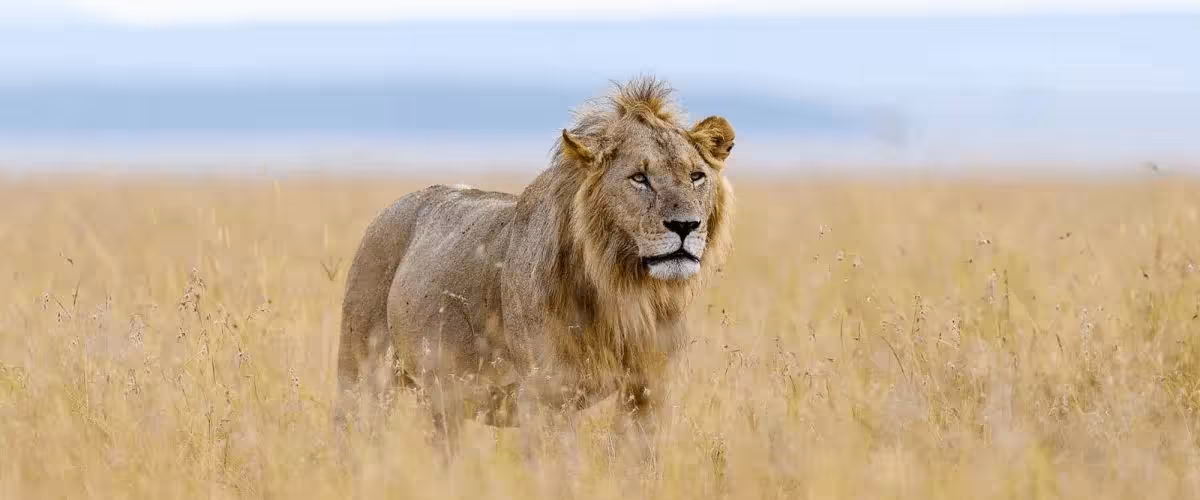
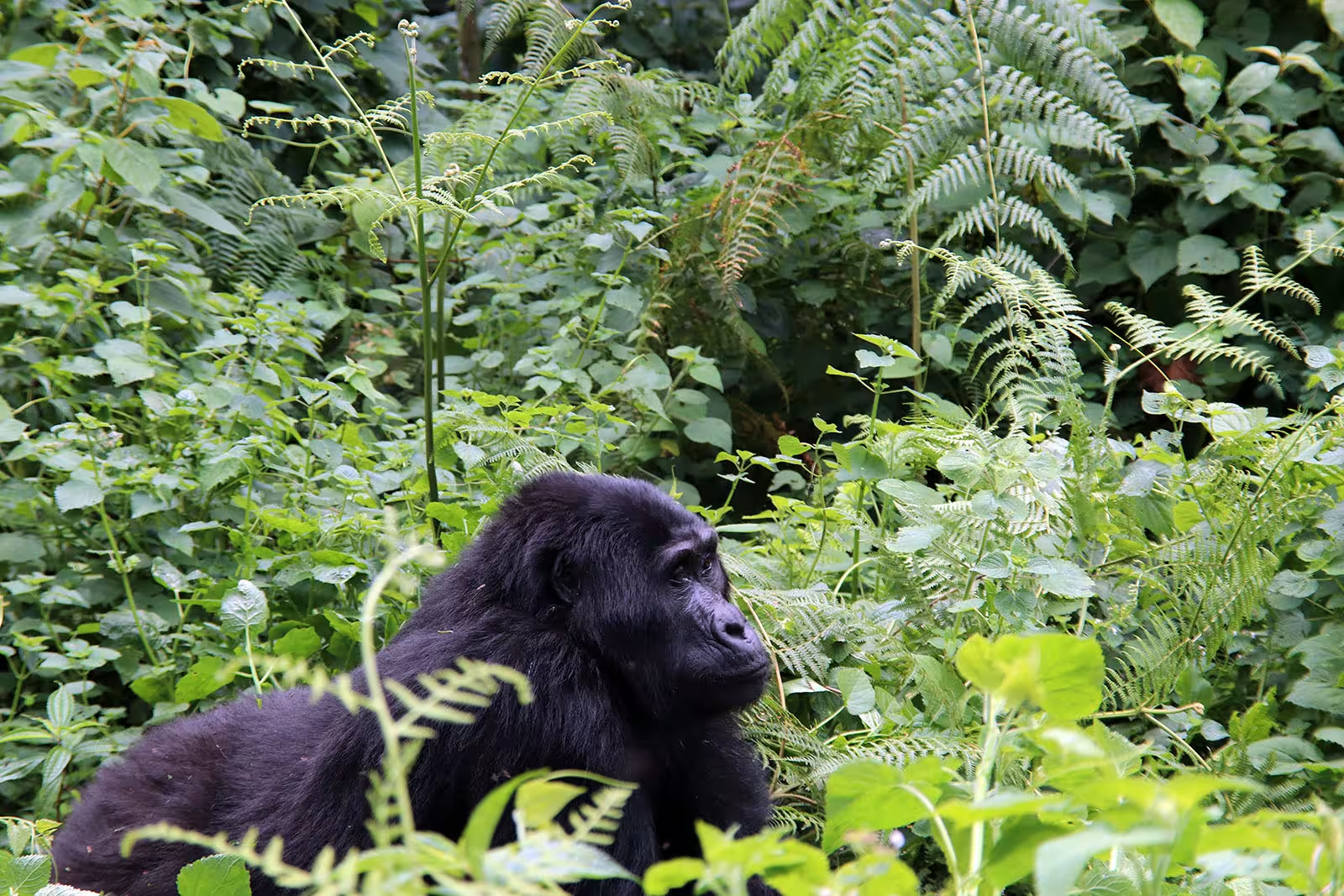
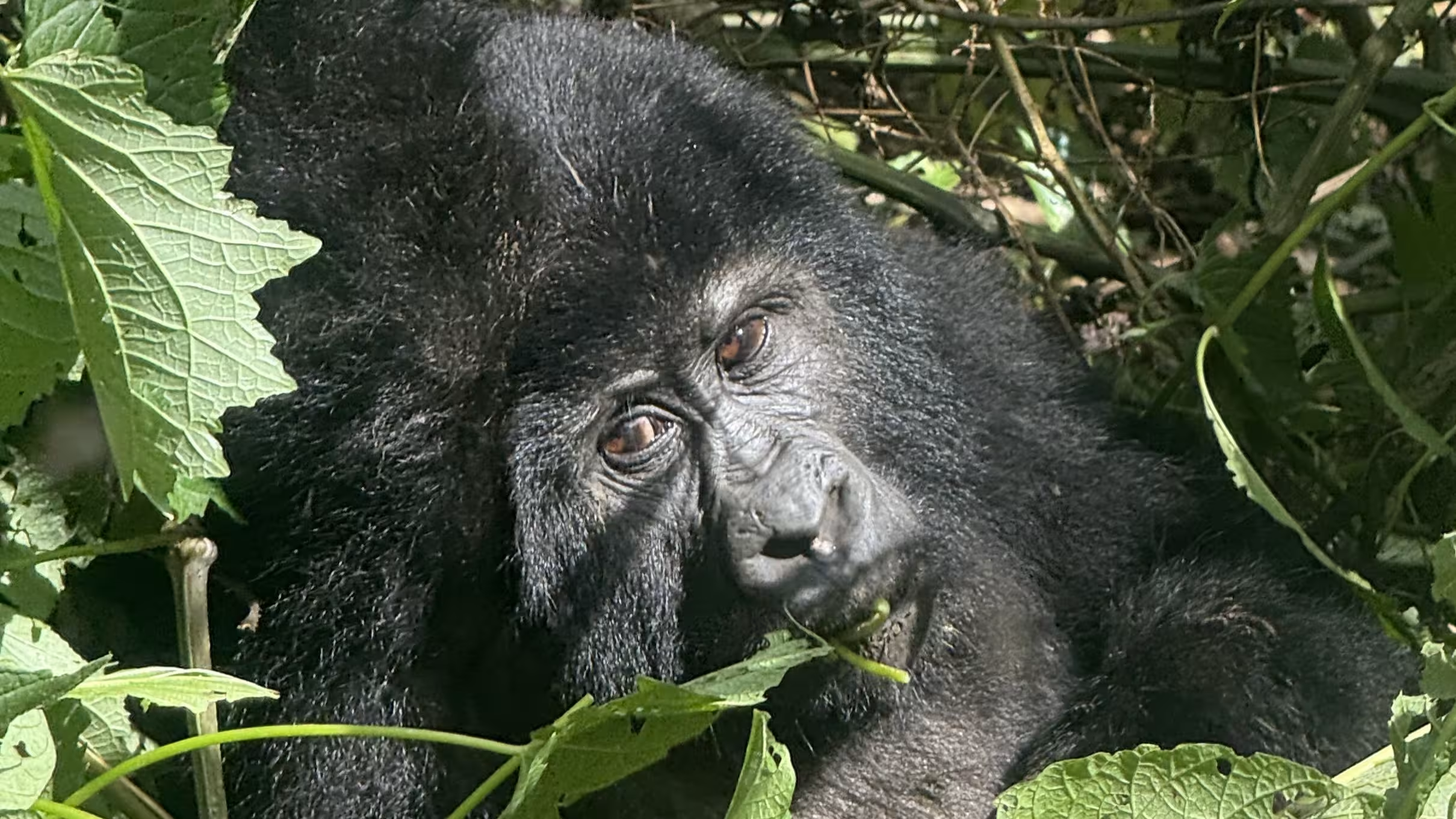
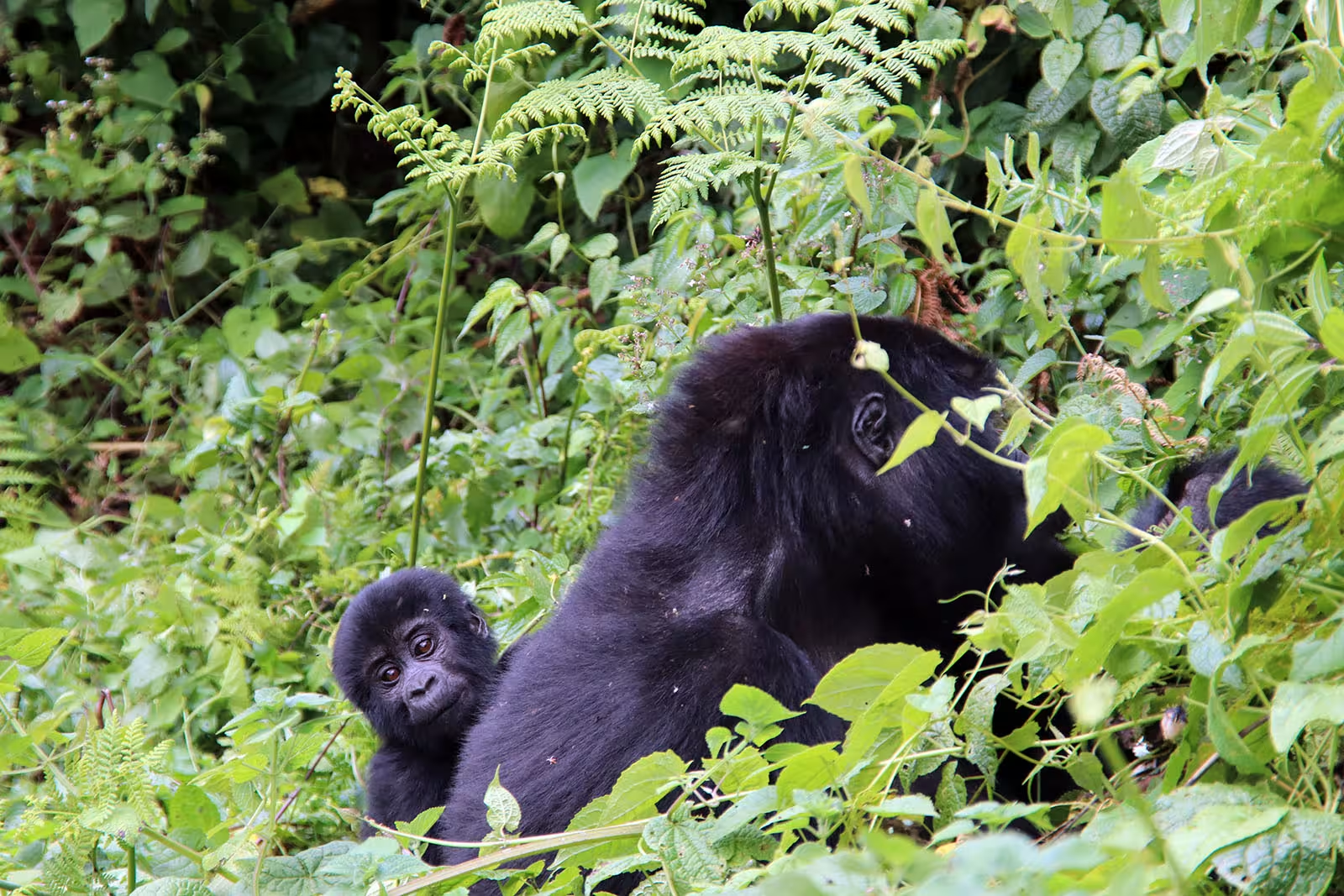
For travelers planning a Uganda safari whether to Bwindi Impenetrable National Park for gorilla trekking, Murchison Falls National Park for chimpanzee trekking, or Lake Mburo National Park for walking safaris the practical impact is straightforward. You no longer need to worry about whether your yellow fever certificate is valid, whether it is properly stamped, or whether it will be scrutinized at the border.
That said, there are reasons to still consider vaccination. Several countries require proof of yellow fever vaccination for entry if you are arriving from a country with transmission risk. If your Uganda safari is part of a multi-country itinerary that includes onward travel to destinations with stricter health entry rules such as Rwanda, Tanzania, or South Africa vaccination may still be necessary for those legs of your journey.
The certificate itself remains valid for life under World Health Organization rules, so if you have been vaccinated previously, that protection does not expire.
Other Health Requirements Remain
While the yellow fever certificate has been dropped, travelers should be aware that other health measures may still apply. Following the Ebola outbreak in Uganda, which was declared over on 27 August 2026 after 42 days without a new case, health authorities remain vigilant at borders due to the ongoing outbreak in neighboring Democratic Republic of the Congo.
Some travel advisories have noted that health declarations may still be required for entry and exit, and travelers should follow the instructions of local health authorities. Malaria prophylaxis, routine vaccinations, and travel insurance covering medical evacuation remain strongly recommended for any Uganda safari.
Uganda Entry Requirements: What You Still Need?
While the yellow fever card is no longer required, other Uganda entry re\quirements remain firmly in place, including a valid passport with at least six months validity and blank pages for stamps, a Uganda e-visa or visa on arrival depending on your nationality, a return or onward ticket showing you intend to leave the country, proof of accommodation or a confirmed safari booking, and sufficient funds to cover your stay; travelers should always verify the latest Uganda visa requirements and entry regulations with official sources such as the Directorate of Citizenship and Immigration Control before departure, as rules can change at short notice.
Uganda’s decision to drop the yellow fever certificate requirement removes a long-standing administrative hurdle that had become a source of frustration and, in some cases, extortion at border points. For safari travelers, this simplifies entry and removes one more document from the pre-trip checklist.
The official clarification is clear: travelers to Uganda no longer require a yellow fever vaccination certificate for entry. However, vaccination remains a sensible health precaution, and travelers should still consult their doctor or travel clinic before departure to ensure they are protected against yellow fever and other travel-related health risks.
At Exclusive Gorilla Vacations, we stay up to date with all Uganda entry requirements so our clients can focus on the adventure ahead. We handle all gorilla permits, chimpanzee permits, logistics, and pre-trip guidance, ensuring your Uganda safari is seamless from the moment you land at Entebbe International Airport.
Ready to plan your Uganda safari? Contact our team today to start planning your custom adventure whether it’s gorilla trekking in Bwindi, wildlife safaris in Murchison Falls, or walking safaris in Lake Mburo.