What Nobody Tells You Before You Go
Let’s be honest about why you are reading this. Somewhere between booking your flights and picturing yourself photographing elephants against a backdrop of baobab trees, a quiet worry crept in. Is Tarangire National Park safe for tourists? It is a fair question, and it deserves a straight answer rather than a sales pitch.
So here it is: Tarangire is one of the safest parks on Tanzania’s northern safari circuit, and the risks that do exist are ordinary, predictable, and easy to manage once you know what they are. What most travel articles skip is the detail. They tell you it is safe and move on. This guide does the opposite. It walks you through exactly what Tarangire National Park safety looks like, where the real risks hide, and how experienced guides handle them every single day.
Tarangire National Park Safety: What It Actually Looks Like
Most people imagine the dangers of a safari in dramatic terms. In reality, the things that actually matter in Tarangire are quieter. It is the mosquito at dusk, the slippery gravel road after rain, the elephant that decides your vehicle is standing too close to her calf, and the camp path you should not walk alone at night. None of these are reasons to stay home.
They are simply the details that separate a prepared traveler from an unprepared one. Once you understand them, Tarangire becomes what it truly is: a well-managed national park where hundreds of thousands of visitors enjoy safe, unforgettable game drives every year. The park operates under TANAPA, Tanzania’s national parks authority, and every operator working inside it follows established safety protocols.
Wildlife Safety in Tarangire: Close Encounters Done Right
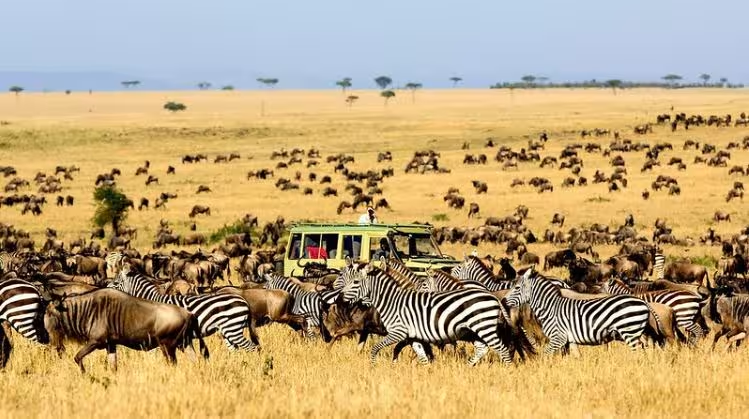
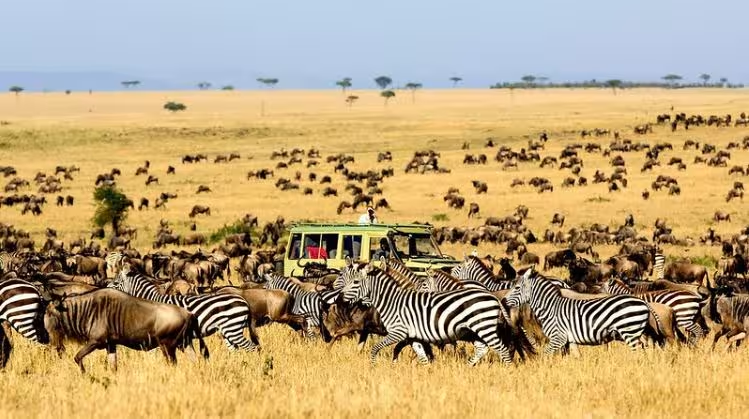
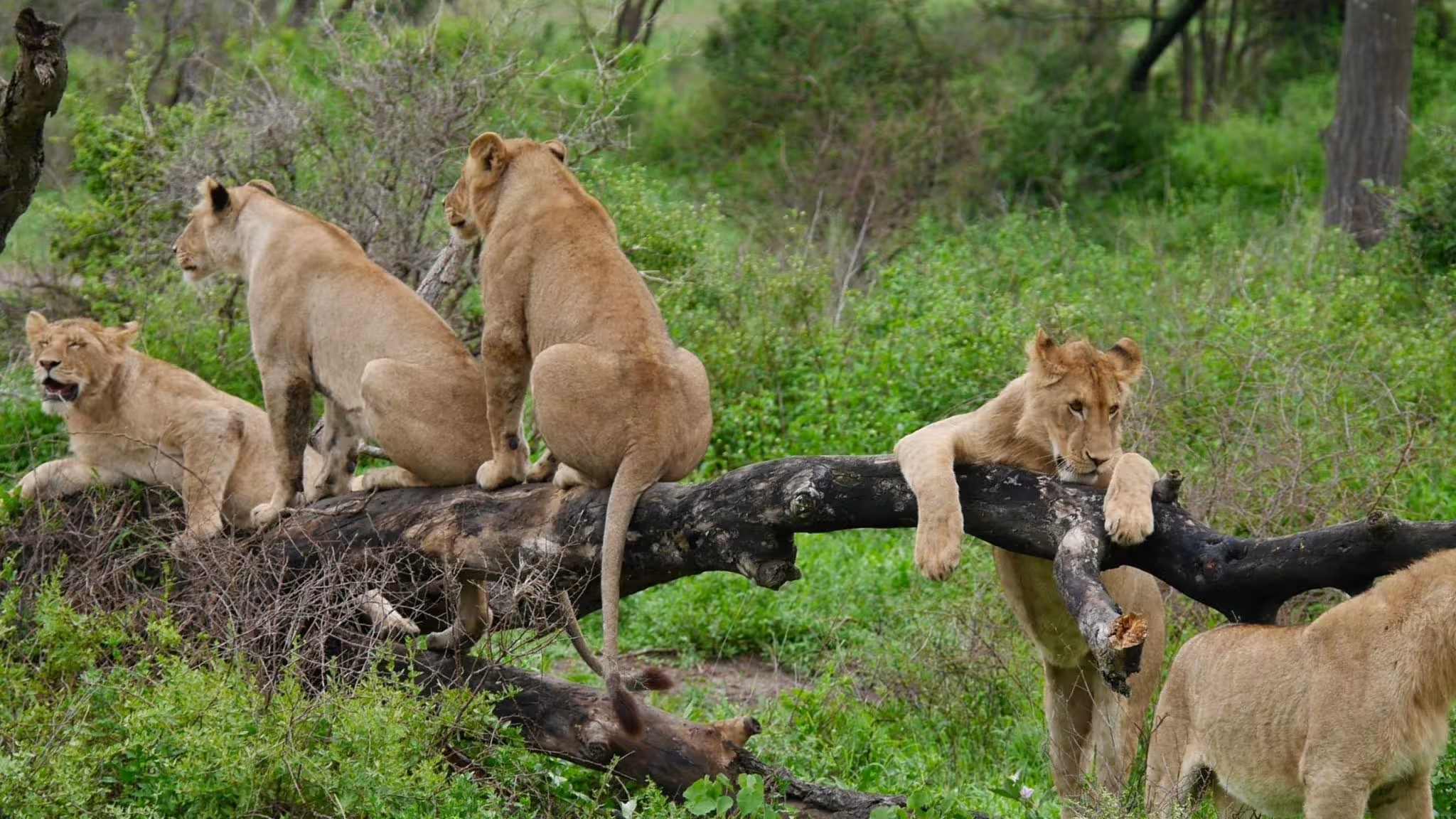
Tarangire is elephant country. The park holds one of the largest elephant populations in Tanzania, along with healthy numbers of buffalo, lion, and leopard. That is exactly why people come, and it is also why wildlife safety in Tarangire matters more than in some other parks. The good news is that the rules are simple. You stay inside the vehicle on game drives, keep your arms and camera inside the window line, and never ask your guide to drive closer than he considers safe.
Elephants and buffalo are unpredictable when they feel cornered, and a good guide reads their body language long before a situation becomes tense. If your guide reverses away from an animal, he is not being cautious for no reason. He is reading a signal you may not see. Trust him.
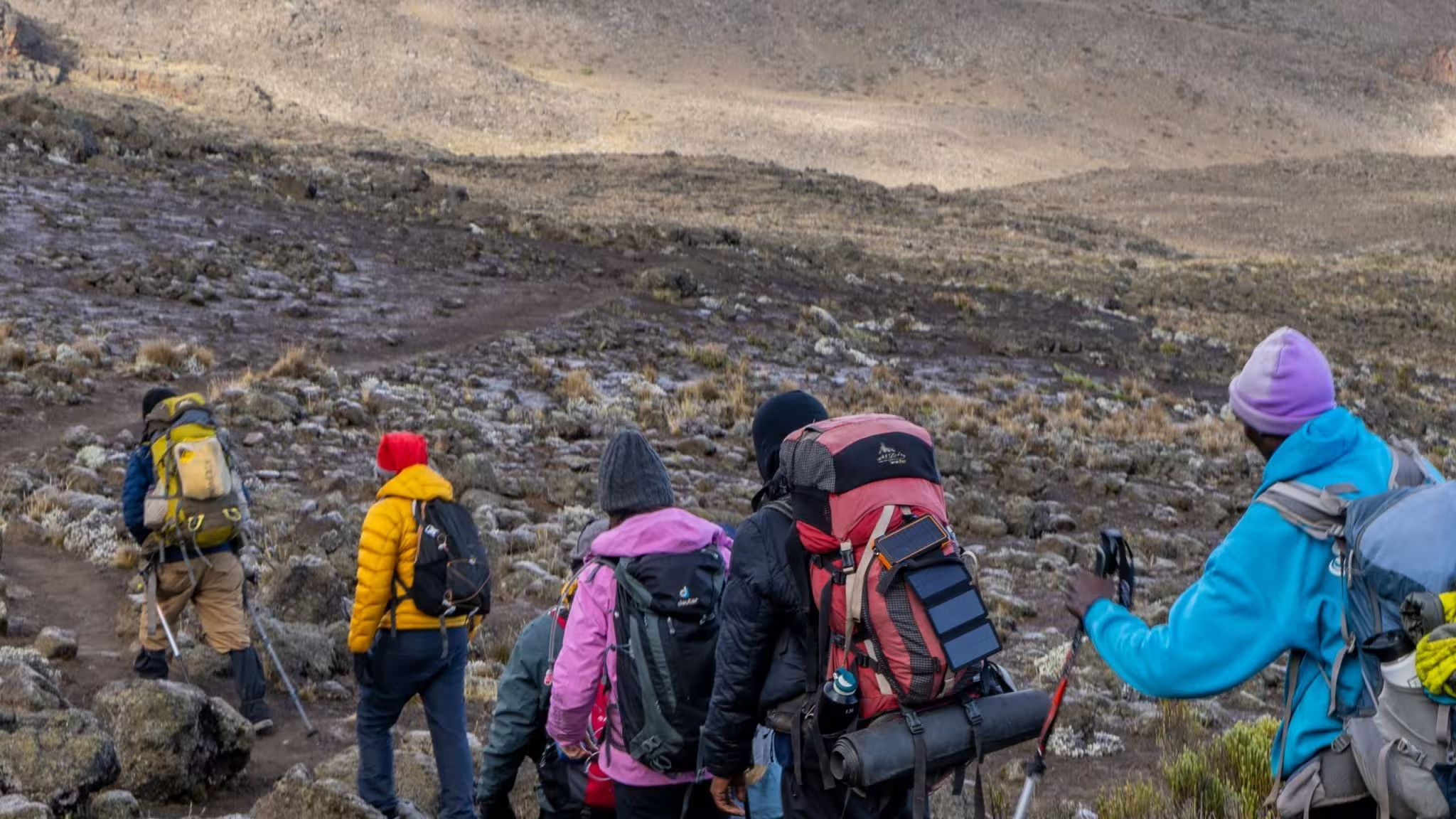
Walking safaris are offered in some parts of Tarangire, but only with armed rangers who are trained for exactly this environment. Follow their instructions without debate, and walking becomes one of the most memorable experiences of your trip.
Health Risks on a Tanzania Safari: Malaria and Water Safety
Malaria is the health risk that deserves your full attention before any Tanzania safari. Tarangire sits below 1,800 meters, which means malaria transmission is present year-round. The CDC recommends antimalarial medication for all travelers visiting this region, and a travel clinic visit four to six weeks before departure is the right way to sort out your prescription. Combine the tablets with DEET-based repellent, long sleeves and trousers from dusk onward, and the mosquito nets most lodges provide, and your protection is strong.
Water is the other simple one. Tap water in Tanzania is not safe to drink, so stick to sealed bottles or filtered water, even when brushing your teeth. Most safari lodges supply safe drinking water, but carrying your own in the vehicle is wise. If you feel unwell within three months of returning home, mention your travel history to a doctor so they can test for malaria promptly.
Road Conditions from Arusha to Tarangire: The Risk Nobody Mentions
Here is the truth that experienced safari operators talk about among themselves. The most realistic safety risk on a Tarangire trip is not the wildlife. It is the road. The journey from Arusha to Tarangire involves a busy tarmac highway shared with trucks, followed by a gravel approach road that can turn slippery in the rainy season. Vehicle quality and driver experience matter enormously.
A well-maintained 4×4 with a driver who respects speed limits and knows the route is your best protection, and this is precisely why choosing the right operator is a safety decision rather than a comfort one. If you are still deciding how to travel, our guide on how to get from Arusha to Tarangire National Park covers every option in detailDuring the wet months, from November to May, the gravel sections demand a proper 4×4 and a driver who has handled them before. Avoid road transfers at night between parks, because visibility and road conditions create risk that no itinerary needs to take.
Safari Camp Safety: What Happens After the Game Drive?
Many camps around Tarangire are unfenced, which means wildlife moves through the grounds, particularly at night. Elephants occasionally wander past tents on their way to the river, and monkeys are always watching for an open tent flap. This is part of the magic of sleeping in the bush, and it comes with a few simple habits. Never walk alone after dark. Use the escort service your camp provides, every time, even for the short walk to dinner.
Keep your tent zipped, and never leave food or snacks inside it. Never feed any animal, however harmless it looks. Camp staff are trained for wildlife encounters and will tell you exactly what to do if something wanders close. Listen to them, and the nights become a highlight rather than a worry.
Is Arusha Safe? Gateway Town Tips for Safari Travelers
Most travelers spend at least a night in Arusha before or after their Tarangire safari, and a little awareness goes a long way. Arusha is generally safe for tourists, but petty theft can happen in crowded markets and bus stations. Keep phones and cameras out of sight, leave jewellery in the hotel safe, and carry a copy of your passport rather than the original.
Use registered taxis or transfers arranged by your hotel or safari operator rather than hailing random vehicles on the street, and avoid walking alone after dark. These are the same precautions you would take in any city anywhere, and they are usually enough to keep your trip entirely problem-free.
Is Tarangire Safe for Families and Solo Travelers?
Tarangire works well for almost every kind of traveler. Families find the game drives manageable and exciting, because children are safely inside the vehicle and the wildlife is easy to spot. Solo travelers fit easily into group safaris or private guided trips, and the safari routine is simple to navigate.
First-time safari goers often find Tarangire a gentler introduction than the Serengeti, because the park is compact, the driving distances are short, and the elephant viewing is almost guaranteed. The common thread for all of them is the operator they choose. A company that maintains its vehicles, trains its guides, and briefs guests properly removes most of the risk before it ever appears.
Tarangire Safari Safety Checklist: What to Prepare Before You Go?
Visit a travel clinic and sort out antimalarial medication. Pack DEET repellent, long sleeves and trousers for evenings, a wide-brimmed hat, sunscreen, and a refillable water bottle. Our guide on what to wear on a safari in Tarangire National Park explains layers, colours, and footwear in plain language. Book with a licensed operator using well-maintained 4×4 vehicles. On game drives, stay seated, keep arms inside, and follow your guide without argument. At camp, use the night escort and keep your tent closed. In Arusha, keep valuables out of sight and use arranged transfers. Follow that list, and you have addressed every realistic risk a Tarangire trip presents.
So, Is Tarangire National Park Safe?
Tarangire National Park is safe for tourists. It is not a tame place, and it should not be, because the wildness is the whole point. But wild does not mean dangerous when you travel with people who know what they are doing. Respect the animals, take malaria prevention seriously, choose your operator carefully, and listen to your guide. Do that, and your lasting memory of Tarangire will not be a moment of worry. It will be the image of a hundred elephants crossing the river at golden hour, and the feeling that you were lucky enough to be there.
Safety advice is easy to write and harder to practise. At Exclusive Gorilla Vacations, we have spent years guiding guests through East Africa, from the gorilla forests of Uganda and Rwanda to the elephant plains of Tarangire, and we have learned that peace of mind comes from preparation, not luck.
Our Tanzania safaris are built around well-maintained 4×4 vehicles, guides who know when to keep their distance, and honest briefings before every departure, so you can focus on the park instead of the what-ifs. If you are weighing up Tarangire and want a straight answer about what to expect, ask us. We would rather tell you the truth than sell you a trip.
Want to explore Tarangire with a team that puts safety first? Reach out to Exclusive Gorilla Vacations and let’s plan your Tanzania safari properly.