Tarangire National Park is one of Tanzania’s most rewarding safari destinations, yet it remains remarkably underrated compared to its famous neighbours, the Serengeti and Ngorongoro Crater. Located approximately 120 kilometres southwest of Arusha, this 2,850-square-kilometre park offers outstanding wildlife viewing year-round, making it a favourite stop on northern safari circuits .
Known as the “Paradise of Elephants,” Tarangire boasts one of the highest concentrations of elephants in Africa, with over 3,000 individuals calling the park home. The park’s diverse ecosystems ranges from riverine forests and acacia woodlands to open grasslands and seasonal swamps that support abundant wildlife, including large herds of wildebeest, zebras, buffalo, giraffes, and over 550 bird species.
Tarangire’s most iconic feature is its spectacular baobab trees. These “Trees of Life” tower over the savanna, some reaching 30 metres tall with trunks over 10 metres wide. Many baobabs are over a thousand years old, their massive, silvery trunks capable of storing up to 300 litres of water to survive long periods without rain.
Local legend says the baobab was planted upside down by the gods as punishment for its pride a story that makes perfect sense when you see their bare branches reaching skyward like roots. The sight of elephant herds moving beneath these ancient giants at sunset is one of Africa’s most photogenic experiences. The park has the densest concentration of baobabs in East Africa, with some trees so large they have become landmarks used by generations of safari guides.
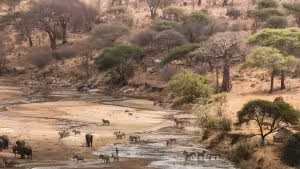
Tarangire’s wildlife is spectacular year-round, but the dry season from June to October transforms the park into one of Africa’s greatest wildlife spectacles. As seasonal waterholes dry up across the Maasai Steppe, animals funnel into the Tarangire River corridor, where the park’s lifeblood provides reliable water .
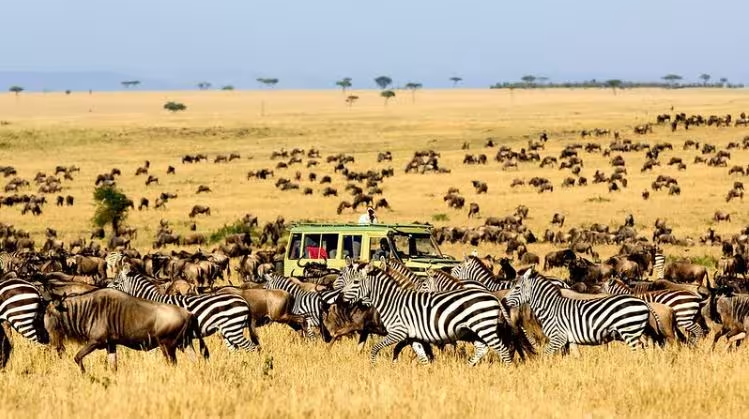
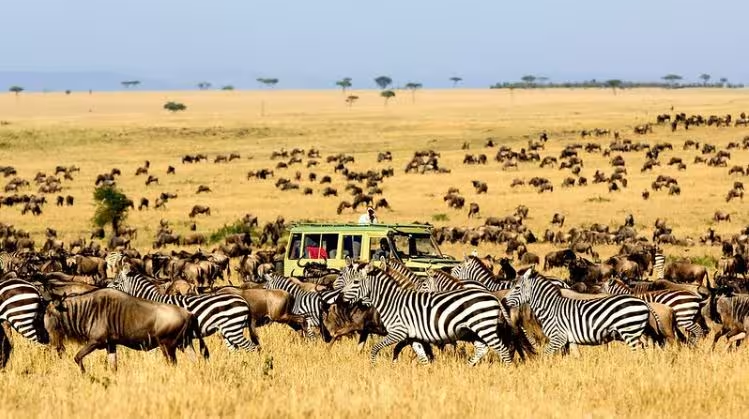
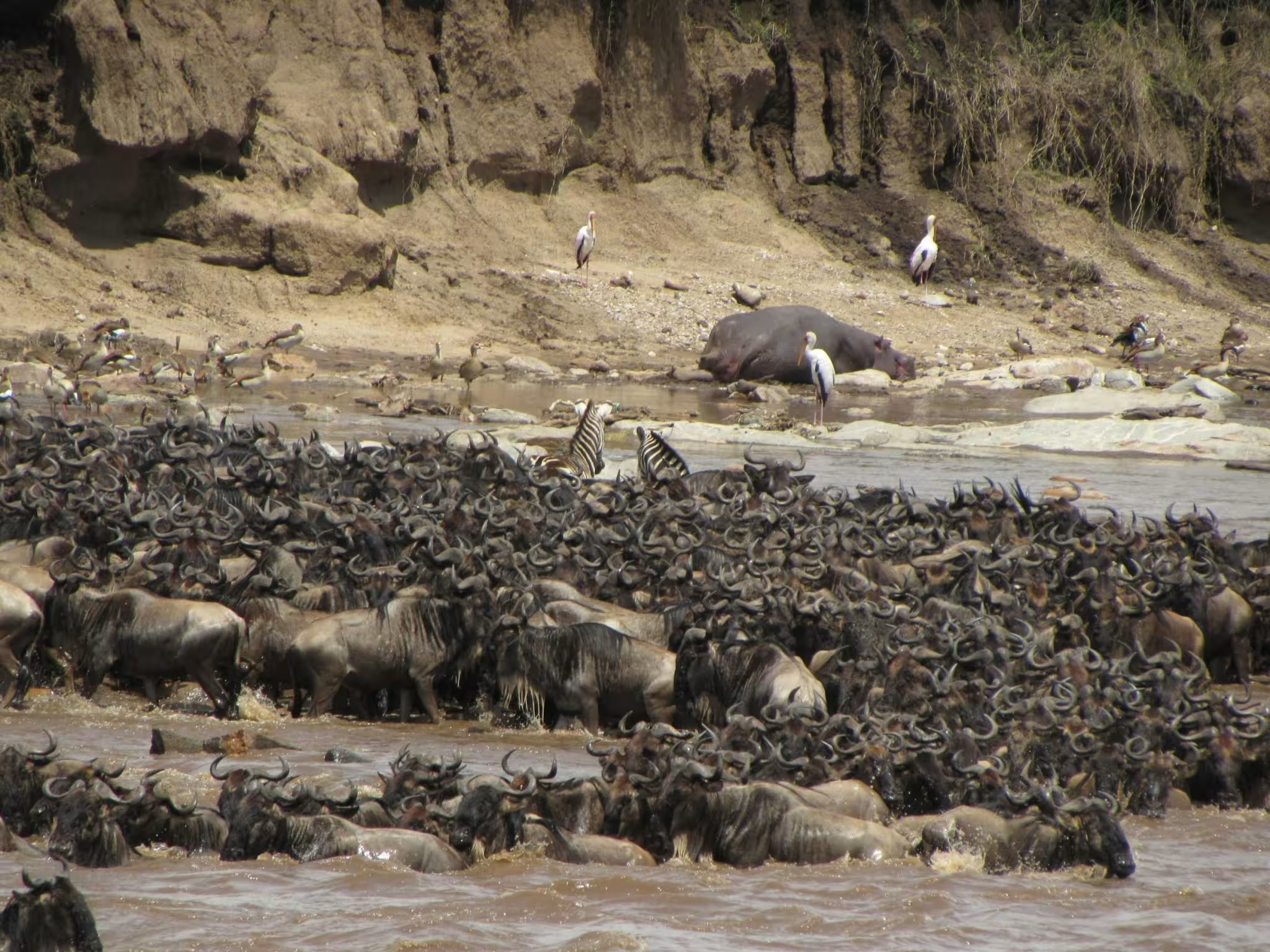
During this period, it is sometimes possible to see over 500 elephants in a single day as they congregate along the riverbanks. Massive herds of wildebeest, zebra, and buffalo join them, creating a migration that rivals the more famous Serengeti spectacle. This seasonal concentration of wildlife has earned Tarangire the distinction of having the second-highest wildlife concentration of any Tanzanian national park, after the Serengeti.
Tarangire’s diverse habitats support a remarkable variety of wildlife. Elephants are the undisputed stars, with the highest density of elephants in Tanzania. Large herds of buffalo, wildebeest, and zebra follow seasonal water patterns, joined by giraffes, impalas, elands, and other antelope. The park is also home to localized antelope species such as the fringe-eared oryx and gerenuk, which are rarely seen elsewhere in Tanzania.
Predators
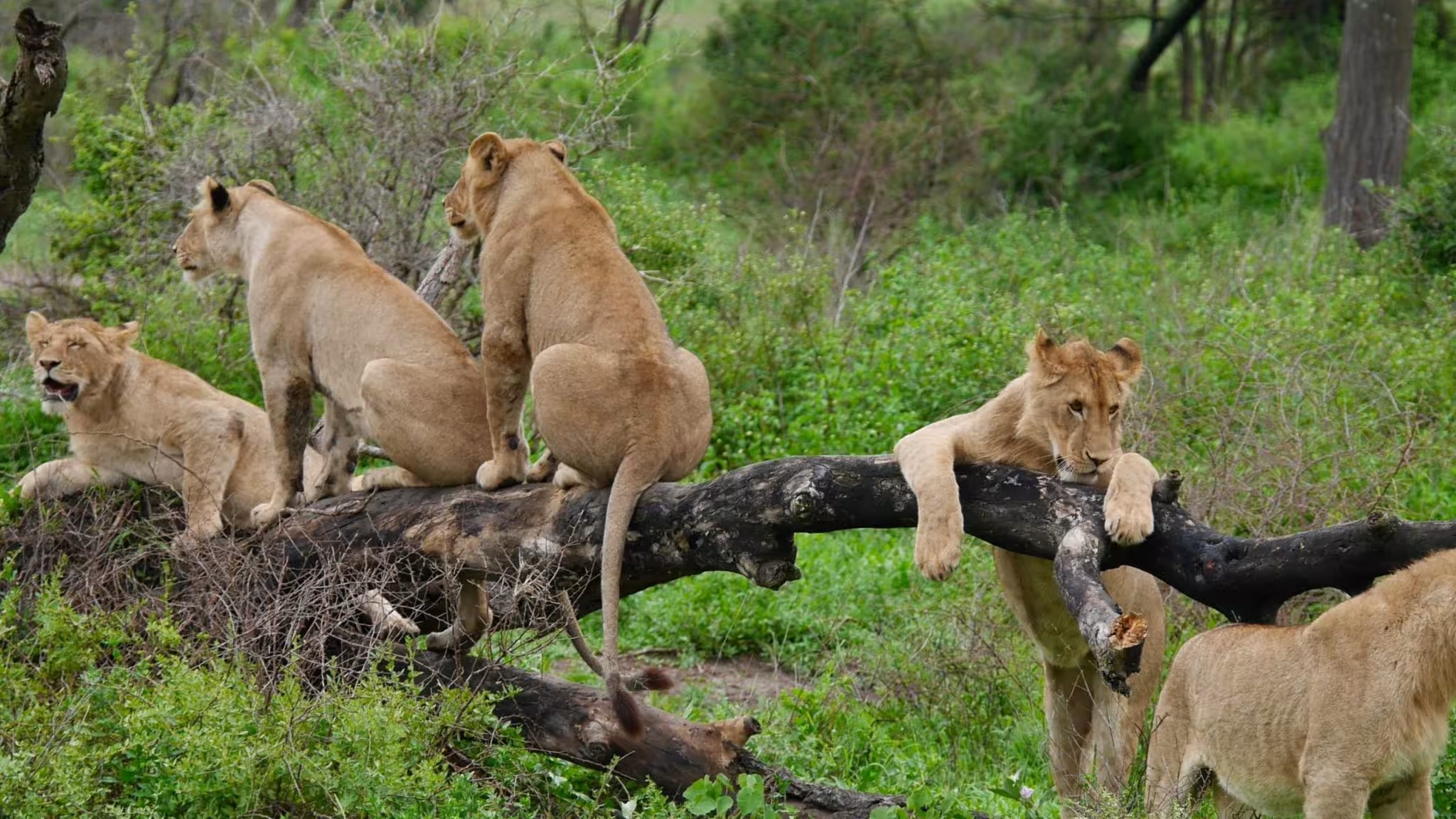
While less famous for predators than the Serengeti, Tarangire supports impressive carnivore populations. The ecosystem is home to more than 700 resident lions, and sightings are common. Leopards roam the acacia woodlands, cheetahs patrol the open plains, and spotted hyenas lurk near water sources.
Tarangire is a haven for birdwatchers, with over 550 bird species recorded. The park’s varied habitats attract everything from raptors and storks to colourful bee-eaters, hornbills, and lovebirds. The yellow-collared lovebird and ashy starling are particularly notable endemic species.
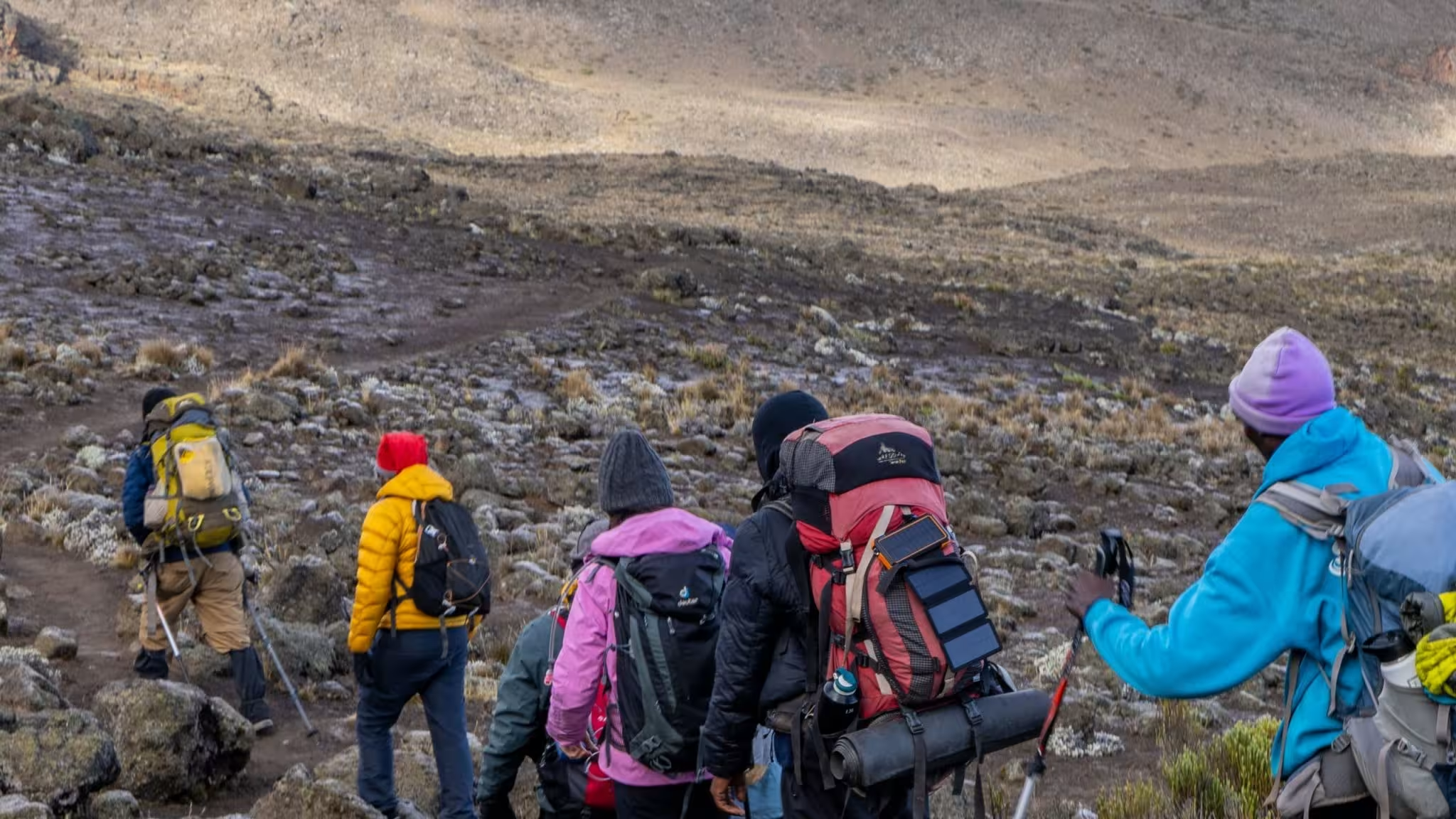
Game drives are the primary way to explore Tarangire. The park’s excellent road network allows visitors to cover diverse habitats in a single day, from the Tarangire River corridor where wildlife concentrates during the dry season to the Silale Swamp and open savannah plains. Morning drives are ideal for spotting predators, while the hour before sunset offers the softest light for photographing baobab silhouettes.
For a completely different perspective, night game drives reveal the bush’s nocturnal side. Predators become more active, and species rarely seen during the day such as bushbabies, genets, and civets emerge under cover of darkness.
Sunrise balloon safaris offer breathtaking views of the park’s baobab-studded landscapes and wildlife from above.
Guided bush walks provide an intimate way to explore the park’s smaller wonders—from termite mounds to birdlife—under the supervision of armed rangers.
The dry season is the prime time for wildlife viewing . As water becomes scarce, animals congregate around the Tarangire River, providing high-density wildlife encounters. This is the best time to see large elephant herds and predators. The baobabs shed their leaves, revealing their most fantastical shapes. However, this is also the most crowded time of year to visit, so it is wise to book early if you want to come during these months .
The wet season brings lush green landscapes, newborn wildlife, and migratory birds. Some roads may become muddy, but 4×4 vehicles can handle most conditions. Fewer visitors mean a more peaceful experience, and the baobabs are covered in leaves and flowers, creating a completely different landscape.
The entry fees for Tarangire National Park vary depending on the visitor’s residency status. For international visitors, the adult entry fee is $70 per person, while international children pay $20 . East African residents pay TZS 20,000 . The permit is valid for 24 hours and expires the following day at the same time of payment, with single entry only . Children under five years enter free, while those between five and fifteen years pay reduced rates .
Tarangire National Park lies approximately two to three hours by road from Arusha on a good tarmac route via Makuyuni-Minjingu, with the final approach on graded park roads . The main entry points include the Maweninga and Sangaiwe/Kwasuyo corridors . A 4×4 vehicle is strongly recommended during the wet season from November to May, when roads can become muddy and challenging . Scheduled and charter flights use Kuro Airstrip inside the park, offering a faster alternative for travellers short on time . From Arusha, many visitors combine a day in Tarangire with nearby Lake Manyara or continue west to the Ngorongoro Crater and Serengeti .
Proper preparation ensures a comfortable and enjoyable safari experience. Essential items include a camera with a good zoom lens to capture wildlife encounters, binoculars for spotting animals at a distance, and sunscreen and insect repellent to protect against the sun and tsetse flies . A hat and sunglasses provide additional sun protection, while neutral-coloured clothing is recommended as bright colours can disturb wildlife. Comfortable, breathable clothing is essential for daytime game drives, but warm layers are also important as temperatures can drop significantly after nightfall, particularly for those camping in the region . A reusable water bottle and a small daypack for personal items round out the packing list .
Tarangire National Park operates under strict rules enforced by Tanzania National Parks (TANAPA) to protect wildlife and ensure visitor safety . Driving is only permitted between 6:00 AM and 6:00 PM, with no night driving allowed . Speed limits on most park roads are set at approximately 50 km/h, and it is strictly prohibited to stray from marked tracks or exit the vehicle outside designated points, with fines or expulsion possible for violations . Littering, feeding animals, and touching plants are not allowed . Park fees are generally paid by card or mobile money, not cash . Tsetse flies are present in the park, so wearing neutral-coloured clothing and keeping windows mostly up helps minimise encounters . Visitors should maintain a generous distance from elephants and buffalo, as these powerful animals can be unpredictable, and never block animal paths to water. Good etiquette at pullouts—parking well off the road, keeping voices low, and avoiding flash photography—keeps wildlife disturbances low and improves viewing for everyone. For self-drivers, a valid driver’s licence is required, and an International Driving Permit is strongly recommended alongside it .
Tarangire is often paired with other northern safari highlights on classic Tanzania itineraries. The Ngorongoro Crater offers diverse ecosystems and the best chance to spot the Big Five. The Serengeti National Park provides the experience of the Great Wildebeest Migration and vast plains. Lake Manyara National Park is known for flamingos, tree-climbing lions, and scenic lakeshore views. A 10-day safari can comfortably combine all four destinations, creating one of Africa’s most comprehensive wildlife experiences.
Tarangire National Park deserves far more than a fleeting day trip. With the highest concentration of elephants in Tanzania, ancient baobab landscapes, and the second-highest wildlife density after the Serengeti, it is a destination that rivals any in East Africa. Whether you visit during the dry season for spectacular wildlife concentrations or the wet season for lush landscapes and birdlife, Tarangire offers an unforgettable safari experience.
At Exclusive Gorilla Vacations, we specialise in crafting custom East African itineraries that combine the best of Tanzania’s northern circuit including Tarangire, Serengeti, Ngorongoro, and Lake Manyara. We handle all permits, transport, accommodation, and logistics, ensuring your adventure is seamless and unforgettable.
Ready to explore Tanzania’s elephant paradise? Contact our team today to start planning your custom Tarangire safari.