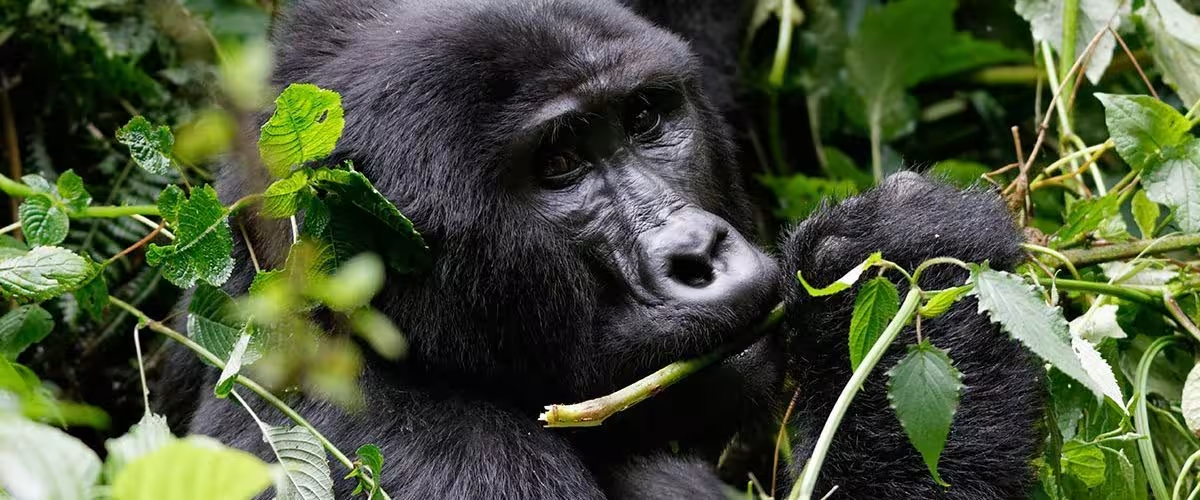
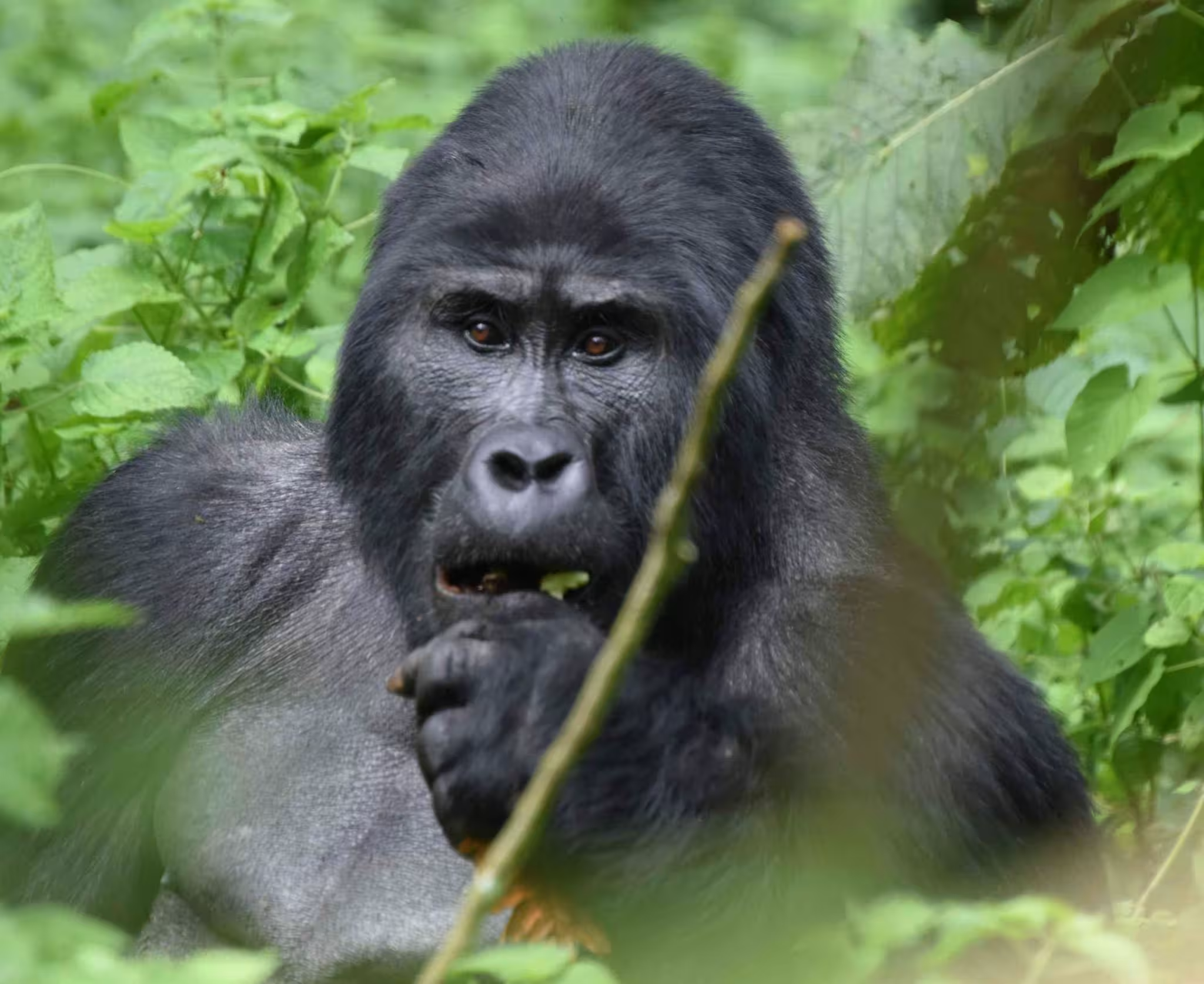
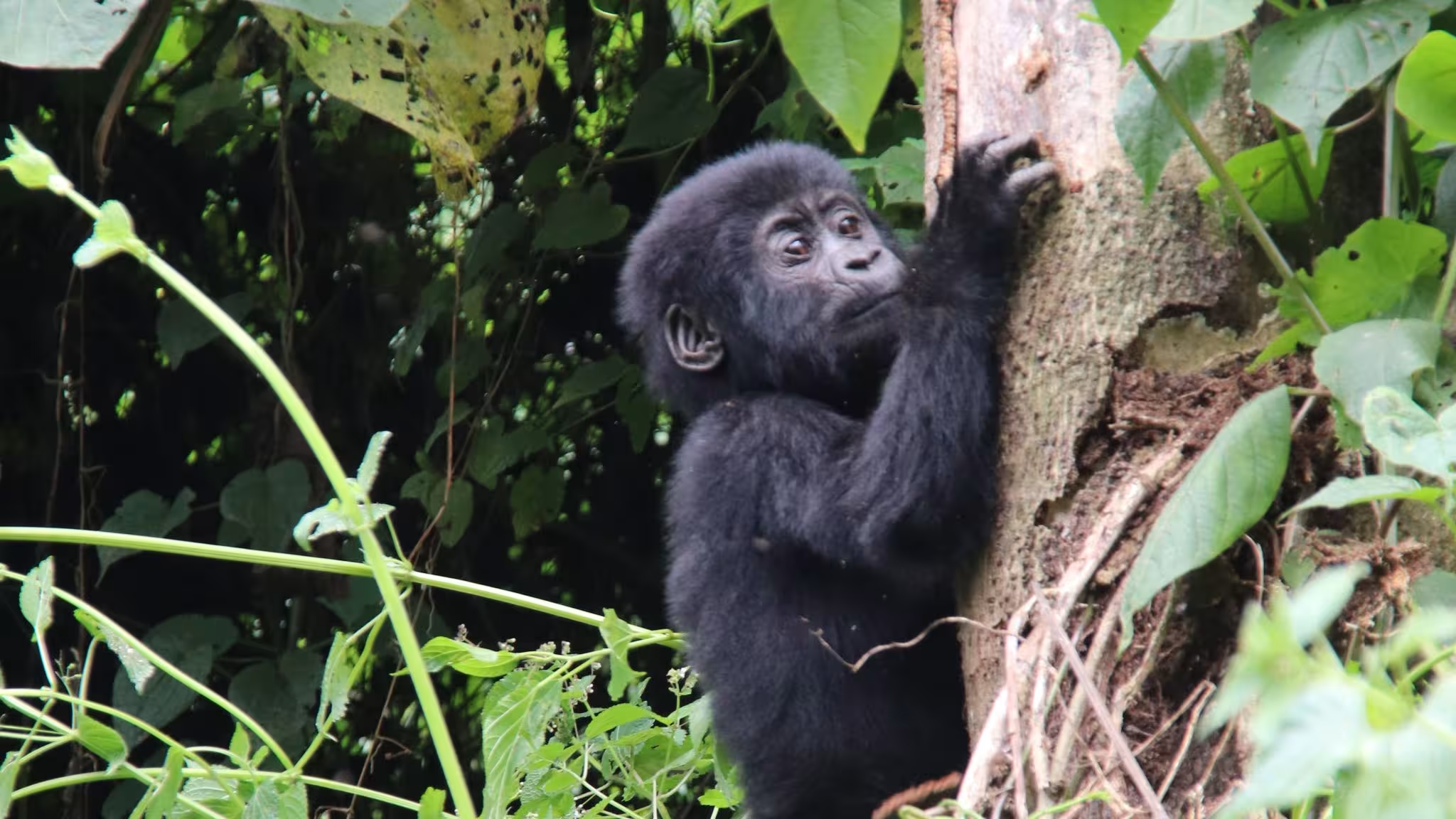
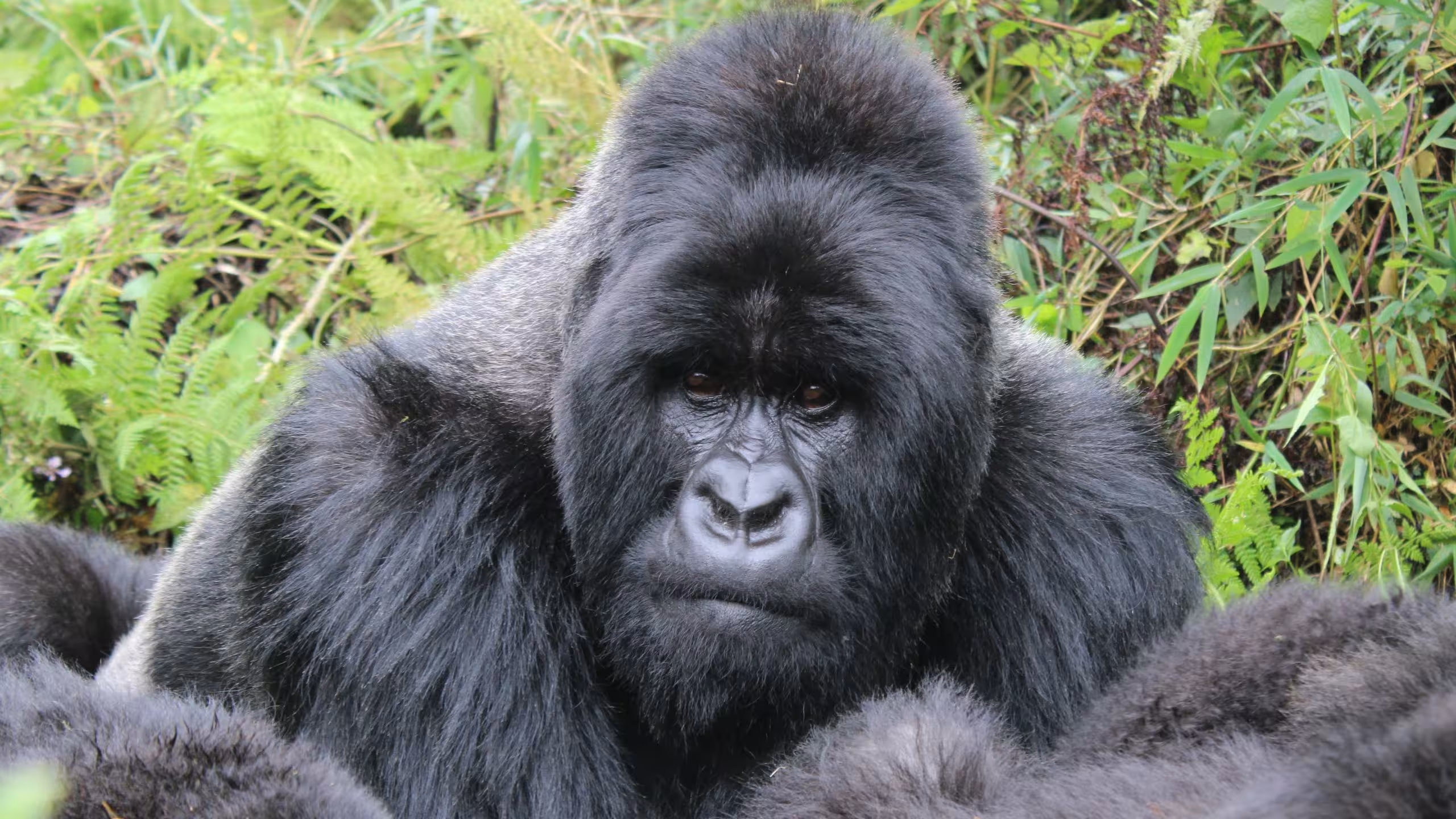
Located in the rolling hills of Musanze, just a few kilometers from the headquarters of Volcanoes National Park, sits a village that tells one of Rwanda’s most remarkable stories. Ibyiwacu Cultural Village also known as the Gorilla Guardians Village is not a theme park or a staged performance. It is a living, breathing community initiative that has transformed the relationship between local people and the mountain gorillas they once hunted .
The name Ibyiwacu translates to “treasure of our home” . For visitors to Rwanda, it offers something increasingly rare in modern travel: an authentic, participatory cultural experience that directly benefits the people who live alongside one of the world’s most endangered animals.
Ibyiwacu Cultural Village is a community-based tourism project located in Kinigi, Musanze District, in Rwanda’s Northern Province . It sits on the edge of Volcanoes National Park, home to the mountain gorillas that draw thousands of visitors to Rwanda each year.
The village was established by Edwin Sabuhoro, a Rwandan conservationist who was working in the park and witnessed the tensions between local communities and wildlife . Many people living around the park had been involved in poaching, viewing wildlife as a source of income or retaliation for crop damage. Sabuhoro’s research at the University of Kent explored how ecotourism could provide an alternative .
He invested his own savings over $50,000 into supporting local poachers’ groups, helping them transition to farming and other sustainable livelihoods. Within nine months, five of the seven groups had stopped poaching entirely . The initiative grew into what is now Ibyiwacu Cultural Village, a place where former poachers have become guides, dancers, artisans, and conservation advocates.
The impact has been extraordinary. According to the IUCN, poaching of gorillas in the area was reduced by 60 percent, tourism arrivals increased by 40 percent, and local people now own 100 percent of the project . Edwin Sabuhoro received the 2008 Young Conservationist Award from the IUCN World Commission on Protected Areas and the International Ranger Federation for his work .
A visit to Ibyiwacu is not a passive tour. You are welcomed as a guest, and participation is encouraged at every turn.
The Welcome
Upon arrival, visitors are greeted with drumming, singing, and dancing. The Intore Rwanda’s traditional warrior dancers perform the “Dance of Heroes,” an ancient celebration that was once performed exclusively for the royal court . Dancers wear grass wigs and carry spears, with small bells on their feet that ring in rhythm as they move .
You are not a spectator here. Guests are invited to join the dancing, learn the steps, and experience the infectious energy of Rwandan hospitality .
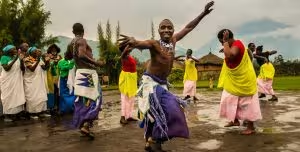
The village offers a rotating menu of cultural activities, all included in the entrance fee.
Traditional Archery: Try your hand at firing a bow and arrow, a skill that was once essential for hunting and warfare .
Banana Beer Brewing: Learn how locals brew banana beer, a traditional beverage. You can sample it though be warned, it is stronger than it looks .
Medicine Man Demonstration: Visit the traditional healer, who explains how herbs and natural remedies have been used for generations to treat illness .
Grinding and Cooking: Participate in grinding millet or sorghum and learn how to prepare traditional Rwandan dishes using local ingredients like beans and cassava .
Basket Weaving and Crafts: Watch artisans weave baskets, carve wooden masks, and create beaded jewelry. You can even try your hand at weaving or pottery, with locals guiding you through the techniques passed down through generations .
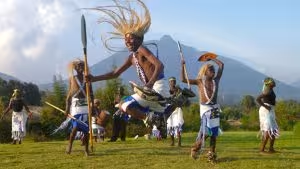
One of the most memorable parts of a visit is the reenactment of the royal court. Visitors can see the village king and queen, learn about the pre-colonial system of governance, and even be dressed in royal garb for photographs . It is a light-hearted, joyful way to connect with Rwanda’s history.
Ibyiwacu is not just a cultural attraction. It is a conservation success story that demonstrates how tourism can protect wildlife by benefiting local people .
The revenue generated from village visits goes directly to the participating families and a broader community conservation fund . Many villagers have become park rangers, guides, and conservation educators . By giving communities a direct stake in the survival of the gorillas, Ibyiwacu has helped reduce poaching and build local support for conservation.
When you visit, you are not just learning about Rwandan culture. You are contributing to the protection of one of the world’s most endangered species.
Ibyiwacu Cultural Village is located in Kinigi, Musanze District, near the Volcanoes National Park headquarters . It is approximately a two-hour drive from Kigali, passing through the beautiful rolling hills of Rwanda’s Northern Province.
Most visitors combine a visit to Ibyiwacu with gorilla trekking or golden monkey tracking in Volcanoes National Park. The village is conveniently located just minutes from the park entrance, making it an easy addition to any itinerary .
The village is open year-round, making it easy to combine with gorilla trekking adventures . Many travelers choose to visit after their gorilla trek to wind down with music, dance, and cultural learning, creating a balanced safari experience . Alternatively, visiting on your arrival day in Musanze is a beautiful way to begin your time in the north .
A typical visit lasts two to three hours . Entrance fees vary depending on the tour operator, but expect around $35 to $70 per person, which includes all cultural activities . The fee goes directly to the community.
Comfortable clothing and shoes are essential. A camera is a must there are countless photo opportunities, from the Intore dancers to the royal court reenactment. A small bag for souvenirs is also useful, as the village has a craft shop where you can purchase authentic handmade items . Traditional attire for participation in dances is provided on site .
Combining Ibyiwacu Cultural Village with Gorilla Trekking
Ibyiwacu Cultural Village pairs naturally with gorilla trekking in Volcanoes National Park. Gorilla treks typically end by early afternoon, leaving time for a visit to Ibyiwacu in the late afternoon .
Exclusive Gorilla Vacations offer packages that combine both experiences, allowing you to immerse yourself in Rwanda’s wildlife and culture in a single trip .
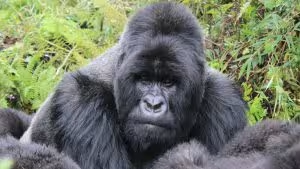
Ibyiwacu Cultural Village is more than a tourist attraction. It is a living example of how conservation and community development can work together. The former poachers who now perform, guide, and teach are not just sharing their culture they are protecting their heritage and the wildlife that makes Rwanda such a special destination.
For travelers visiting Rwanda for gorilla trekking, Ibyiwacu offers the perfect complement: a chance to understand the people who live alongside the gorillas, and to contribute directly to their wellbeing.
At Exclusive Gorilla Vacations, we arrange visits to Ibyiwacu Cultural Village as part of our custom Rwanda safari itineraries. We handle all logistics, from gorilla permits to cultural experiences, ensuring your journey is seamless and meaningful.
Ready to experience Rwanda’s culture and conservation firsthand? Contact our team today to start planning your custom Rwanda adventure.